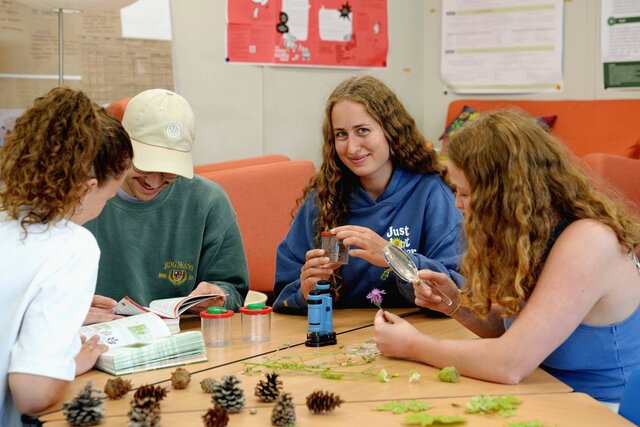
Non-fiction teaching helps children to explore their environment from different perspectives and to understand connections. It combines different approaches - from nature and technology to society, history, politics and culture. The aim is to provide guidance and encourage children to take a curious, critical and responsible look at the world around them.
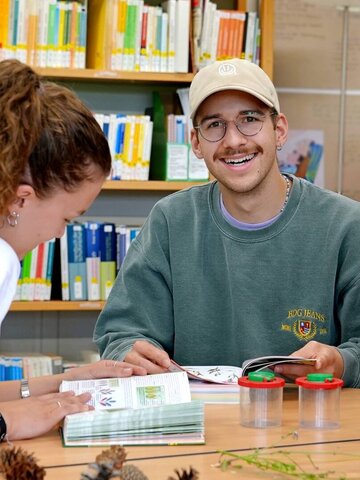
Science and technology lessons focus on phenomena from everyday life, nature, health and technology. Children observe, experiment and discover how the world works - from simple natural phenomena and everyday technical objects to fundamental biological processes. This lays the foundation for scientific thinking, problem-solving skills and, above all, the joy of research and discovery.
Science and technology lessons focus on everyday culture and health, biology, chemistry, physics and technology.
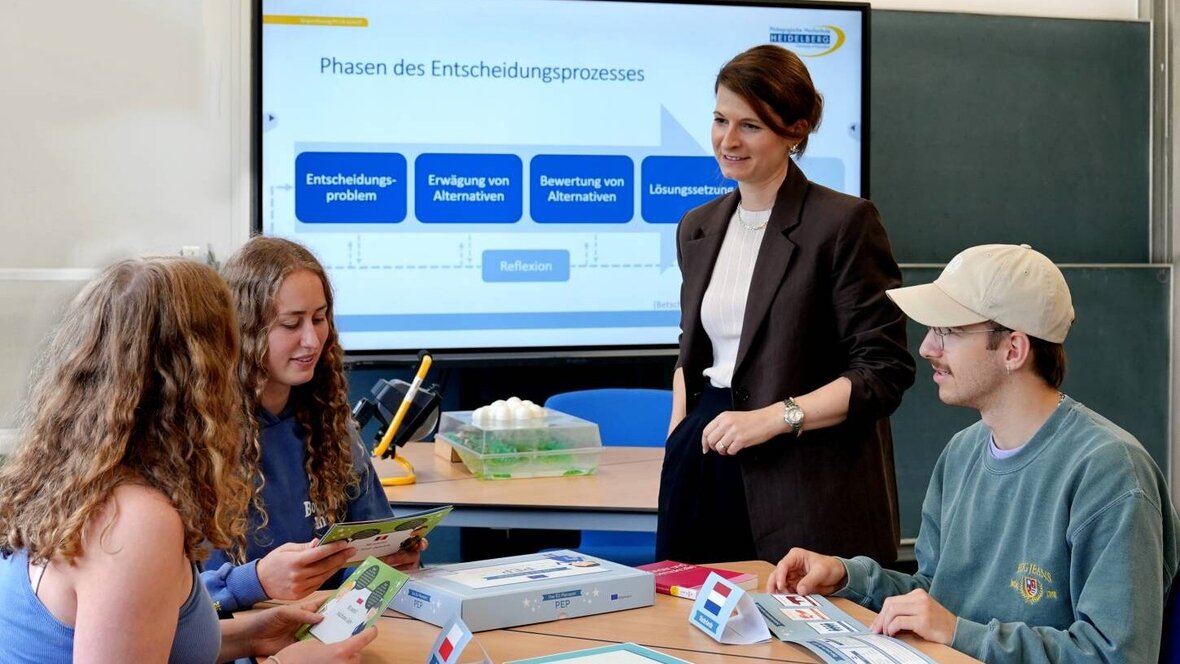
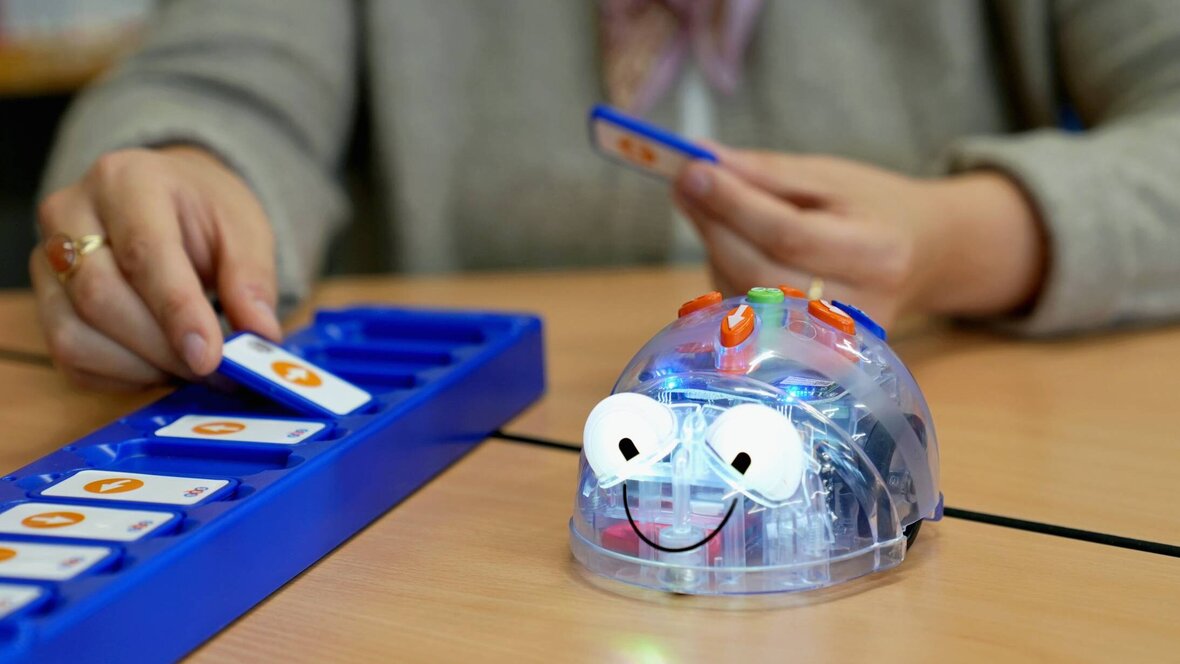
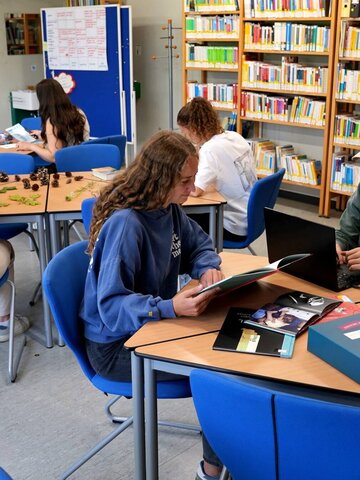
Social science lessons focus on the world in which children live. Here they learn to understand their environment, orientate themselves and develop their own opinions. With exciting topics from politics, history and geography, children actively engage with questions of community, justice and responsibility and learn to adopt different perspectives.
The aim is to help children understand their role in society and act responsibly in everyday life.
Social science subjects include geography, history and political science.