Knaus, Prof. Dr. Thomas
Professor
Faculty of Humanities and Cultural Studies
Institut für Kunst, Musik und Medien
Medienbildung
Postal address (work):
Im Neuenheimer Feld 561
D-69120 Heidelberg, Baden-Wuerttemberg, Germany
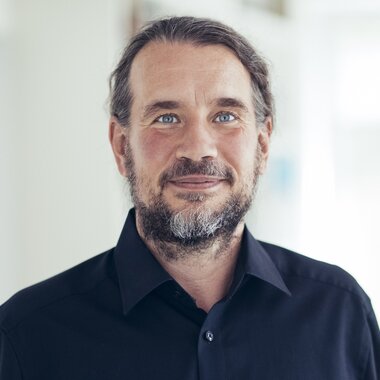
Dr Thomas Knaus is a Full-Professor of Media Education at the Heidelberg University of Education and Honorary Professor for Educational Technology at the Faculty of Computer Science at the Frankfurt UAS; he served as Academic Director of the FTzM in Frankfurt am Main, as Professor of General Education at the University of Erlangen-Nuremberg, as Professor for Educational Science specializing in Media Education at the Ludwigsburg University of Education as well as a Visiting Professor at the University of Vienna, his research lies at the intersection of educational theory, media education, and educational informatics. His work focuses on media education in contexts of mediatization, digitalization, and (generative and communicative) AI; education in the evolving relationship between humans and machines; and theoretical, methodological, and societal perspectives on digital transformation. Thomas Knaus is actively involved in several academic and professional associations, including the initiative No Education Without Media (KBoM), the German Informatics Society (GI), the German Educational Research Association (DGfE), and the German Association for Media Education and Communication Culture (GMK), where he serves as spokesperson for the Special Interest Group on Qualitative Research.
2025 to the present
Professor of Media Education (W3; full professor)
2015 to present
Professor of Educational Informatics | Educational Technology (Honorary Professor)
in the Department of Computer Science & Engineering
2015 to 2026
Scientific Director
2018 to 2025
Professor of Education specialising in Media Education (W3; full professor),
Head of the Department of Media Education and Coordinator of the Interdisciplinary Centre for Media Education and Media Research (IZMM)
2020 and 2023
University Professor of Educational Science (visiting professorship) in the summer semester of 2020 at the Institute of Educational Science, Faculty of Philosophy and Educational Science
2014 to 2016
University Professor (W3) of General Educational Science (acting chair) at the Institute of Educational Science in the Department of Pedagogy, Faculty of Philosophy and Department of Theology
Module coordinator for the specialisation in Media Education within the MA in Educational Science and Empirical Educational Research (EEBF);
Co-ordinator of the LA extension programme in Media Education
2001 to 2015
Managing Director & Project Manager
2010 to 2014
Lectureship at
General Pedagogy, Media Education, School Development, Teacher Training
2008
PhD at the Department of Educational Sciences,
Supervisors: Prof. Dr Edwin Keiner (Free University of Bolzano) and Prof. Dr Siegfried Preiser (Berlin School of Psychology)
Thesis:
1999 to 2001
Town
Media educator in open youth and cultural work & youth education
(previously: social education worker during the probationary year);
Areas: Internet café, active media work, concert and event organisation
1998 to 2014
Lectureship at
Youth work | Culture and media (concept development; digital media in social work)
1998 to 2003
Studied Educational Sciences at the
Adult education; School; Educational psychology
1998 to 2001
Teacher in dual vocational training and youth education (abH);
Subjects: Theoretical aspects of electrical engineering and mathematics
1996 to 2001
Social and media educator in open youth work (manager)
1996 to 1999
Social and media educator in open youth work
1995 to 1998
Studied Social and Media Education at
Youth work; media education; concept development
Media education and educational informatics in the context of mediatisation, digitalisation and (generative and communicative) artificial intelligence (AI); Education at the interface between humans and machines; Generative AI in schools and higher education; Digital transformation in educational institutions; Theoretical, methodological and empirical foundations of media education and educational research.
Media Education and Educational Technology in the contexts of mediatisation, digitalisation and (generative and communicative) Artificial Intelligence (AI); Education in the context of human–machine relations; Generative AI in education; Digital transformation in schools and universities; Theory, methodology and qualitative research in education.
Project partners
Status
- Research completed (2024–2026)
- Approved (2026)
Downloads
- [not yet available]
Description
[A/CH/DE] This project, funded by the German Research Foundation (DFG) (DFG grant number: 590359763) investigates how generative and communicative AI is transforming educational and learning processes in schools, and what pedagogical conditions are necessary to ensure that AI does not contribute to the reproduction of outdated learning paradigms, but rather supports experience- and action-oriented, critically reflective and co-creative educational processes. Whilst international research on Artificial Intelligence in Education (AIED) [...]
Project partners
Status
- Workshop at Dagstuhl Castle, resulting in the Dagstuhl Declaration (2016)
- First workshop at the FTzM in Frankfurt am Main (2017)
- Second workshop at the DFF in Frankfurt am Main (2018)
- Publication of the first draft of the “Frankfurt Triangle” by the group of authors (2019)
- Publication of the “Frankfurt Triangle”, revised in terms of both form and content, by the group of authors (2020)
- Translation of the “Frankfurt Triangle” by Thomas Knaus and coordination with the group of authors (2025)
- Implementation of the “Frankfurt Triangle” in schools and other educational settings (planned)
Downloads
Description
[A/CH/DE] The ‘Frankfurt Triangle on Education in a Digitally Networked World – An Interdisciplinary Model’ is an interdisciplinary model that highlights perspectives and dimensions of education in a digitally networked world. It was developed through a collaborative effort by computer scientists, media educators and media scholars, initiated by workshops in Frankfurt am Main (2017/2018) following [...]
Project partners
Status
- Lectures on ‘AI in Schools and Higher Education – Insights from an Educational Theory Perspective’ (2023) “Media Literacy and Media Education in the Age of Artificial Intelligence” and “The Future of Media Literacy in the Era of Artificial Intelligence” (2024)
- Publication of the introductory article “Artificial Intelligence and Education: What do we need to know? What can we do? What can we hope for? And what is this AI? – A collaborative attempt at clarification” (September 2023)
- Publication of the call for papers “Is that art… or can AI do that? – On the relationship between human and artificial creativity” for the LBzM (September 2023)
- Submission of abstracts in response to the call for papers | Submission of abstracts (Nov. 2023)
- Feedback on the acceptance of contributions (Dec. 2023)
- Submission of contributions via OJS (Feb./Mar. 2024)
- Peer review of submissions (March/April 2024)
- Revision of accepted contributions | Revision of contributions accepted for publication (March to September 2024)
- Editing, production and publication (July to September 2024)
- Publication | Publication of LBzM 24 “Is that art… or can AI do that? – On the relationship between human and artificial creativity” (September 2024)
- Further German-language theoretical and conceptual publication: “Artificial Intelligence and Education – A Plea for a Broader Perspective” (2024)
- Further German-language theoretical and conceptual publication: “Why AI is not just hype – …and why media education should engage with it” (2024)
- Further German-language practice-oriented publication: “Co-creative with Machines – Generative and Communicative AI as a Creative and Critical Catalyst in Schools” (2025)
- Further English-language theoretical and conceptual publication: “Why AI matters for education – An exploration in seven arguments” (2025)
- English-language study and monograph “Doing Digital – Generative AI in Schools [working title]” in progress (2026)
Downloads
- Further practice-oriented publication on the relationship between AI and schools [link to follow]
Description
[A/CH/DE] Creativity is regarded – alongside critical thinking, communication and collaboration – as one of the four ‘21st-century skills’ and also forms a key category in media education: The motto ‘creative and critical use of media’ shapes both media education practice and its theoretical and conceptual work. Creativity is understood here as the ability to develop new ideas and [...]
Project partners
Status
- Publication of the Call for Papers (September 2022)
- Submission of abstracts in response to the call for papers | Submission of abstracts (October 2022)
- Feedback on acceptance of contributions (November 2022)
- Submission of articles via OJS | Submission of articles via OJS (February 2023)
- Peer review (February/March 2023)
- Revision of accepted contributions | Revisions of contributions accepted for publication (March to August 2023)
- Editing, production and publication (July to September 2023)
- Publication (September 2023)
Downloads
Description
[A/CH/DE] Media literacy or media education (cf. Baacke 1996 and Jörissen/Marotzki 2009), information and news literacy (cf. Meßmer et al. 2021), digital (basic) literacy (cf. Swertz 2018), digital maturity (cf. Bleckmann 2012), digital sovereignty (cf. Bettinger/Reißmann 2022), informational self-determination (cf. Albers 2015), computing education (cf. Humbert 2011), computational thinking (cf. Wing 2006), digital literacy (see Buckingham 2007), data literacy [...]
Project partners
Status
- Publication of the Call for Papers “Teaching in the Time of ‘Corona’ | Teaching in the Time of COVID-19” (Feb. 2021)
- Submission of abstracts in response to the call for papers | Submission of abstracts (March 2021)
- Submission of contributions via OJS (June 2021)
- Peer review of submissions (June to August 2021)
- Revision of accepted contributions | Revisions of contributions accepted for publication (August and September 2021)
- Editing, production & publication of the first issue “Teaching in the Time of ‘Corona’” (with Olga Merz and Thorsten Junge) | Production & publication of the first volume “Teaching in the Time of COVID-19” (November 2021)
- Editing, production & publication of the print volume: “Lessons from Teaching in the Time of COVID-19 – Media-based teaching approaches for schools and higher education institutions” (with Olga Merz and Thorsten Junge) | Production & publication “Teaching in the Time of COVID-19” (2022)
- Editing, production & publication of the second issue “Teaching in the Time of Corona. And we carry on learning…” (with Olga Merz and Thorsten Junge) | Production & publication of Vol. 2 (March 2022)
Downloads
Description
[A/CH/DE] The pandemic shaped everyday life for several years, but also brought about far-reaching changes to teaching and learning in higher education. Amid these challenging conditions, there was a high demand for media-based teaching concepts. As editors of the open-access journal LBzM, we dedicated two issues to the case studies and reflections gathered in this context, comprising a total of [...]
Project partners
Status
- Establishment of the externally funded project (2019)
- Project launch (April 2020)
- Establishment of the makerspaces (2020/2021)
- Publication of an initial theoretical and conceptual article (in German) in an international peer-reviewed journal (Winter 2020)
- Development of the portfolio concept for AP 2.4 “Digitalisation in Media Education/Educational Sciences” (2021)
- Piloting of the portfolio concept for AP 2.4 “Digitalisation in Media Education/Educational Sciences” in academic teaching (2021/2022)
- Formative evaluation and further development of the portfolio concept for AP 2.4 “Digitalisation in Media Education/Educational Sciences” (2022)
- Publication of a further theoretical and conceptual article (in English) in an international peer-reviewed journal (Winter 2022)
- Further theoretical, conceptual and practice-oriented publications (2023 and 2024)
Downloads
Description
[A/CH/DE] The MakEd_digital project aims to develop digitalisation-related competences among (future) teachers for the use, development and reflection on digital media and tools in teaching and learning contexts. Pedagogical and didactic makerspaces are being established at the partner universities as a ‘vehicle’ for skills development. In these makerspaces, students and lecturers on teacher training programmes receive support in creating and planning the use of these resources in the classroom, as well as [...]
Project partners
Status
- Launch of the externally funded R&D project (2013)
- Project launch (September 2014)
- Successful interim evaluation (2016)
- Completion of the project (August 2018)
- Publication of the project results (2020)
Downloads
[not publicly available]
Description
[A/CH/DE] The IT support infrastructure has its origins in the fraLine1 (2001–2004), fraLine2 (2004–2007), fraLine3 (2007–2011) and fraLine4 (2011–2014). Whilst the fraLine project initially focused on providing media and IT support to Frankfurt’s schools on a partnership basis, as well as on equipping students with media education and practical professional skills, the later phases of the project increasingly centred on the development of cross-cutting solutions and their scientific evaluation [...]
Project partners
- sowie unter Mitwirkung der
Status
- Launch of the first call for submissions (Jan. 2015)
- Reviews of the first 50+ submissions (2015/2016)
- Editing of the first full-length articles (2016/2017) and accompanying background articles
- Development of the website and the online repository (2016/2017)
- Workshop at the University of Vienna (2016)
- Publication of the first articles in the online repository (summer 2017)
- Publication of the first printed volume by kopaed-Verlag (autumn/winter 2017)
- Implementation of the DOI registration service for social and economic data in cooperation with the Leibniz Institute for Social Sciences (gesis) and the Leibniz Information Centre for Economics (ZBW) (2018)
- Publication of the second printed volume by kopaed-Verlag (spring/summer 2018)
- Collaboration with the Frankfurt-based Leibniz Institute for Educational Research and Educational Information – DIPF for publication in FIS-Bildung/peDOCS (2019)
- Publication of the third printed volume by kopaed-Verlag (summer 2019)
- Further workshops, including at RWTH Aachen University (2017) and the University of Vienna (2020 and 2023)
- Technical overhaul and relaunch of the repository (2025)
- --> Ongoing further online publications
- Launch of the second call for proposals (expected autumn 2026)
Downloads
Description
[A/CH/DE] The ‘Media Education Research Workshop’ is a long-term collaborative and publication project that documents and reflects on the current research landscape in media education. The aim is to highlight the diverse epistemological and methodological approaches within the discipline, to stimulate methodological discussions and, in particular, to offer practical guidance to early-career researchers. The focus is on the systematic collection and [...]
- Knaus, Thomas (2027): Wie Medientechnik pädagogische Praxis formt – Bildungshistorische Beobachtungen zum australischen Fernunterricht, [im Entstehen | in progress]
- Knaus, Thomas (2027): Forschungswerkstatt Medienpädagogik. Projekt – Theorie – Methode – Spektrum medienpädagogischer Forschung [Band 4], München, kopaed [im Entstehen | in progress]
- Knaus, Thomas (2027): Doing Digital – Bildungstheoretische Überlegungen zur ko-kreativen Gestaltung von Schule und Unterricht mit generativer und kommunikativer KI, [im Entstehen | in progress]
- Schluchter, Jan René / Junge, Thorsten / Knaus, Thomas (2026): (Nicht-) Nachhaltigkeit – ... in einer Kultur der Digitalität, Ludwigsburg, LBzM [in Begutachtung | under review]
- Knaus, Thomas (2026): Generative AI in Schools – Between Instruction and Inspiration, Cambridge, UK,
- Knaus, Thomas / Merz, Olga / Junge, Thorsten (2024):
– , Ludwigsburg, LBzM. - Knaus, Thomas/Merz, Olga/Junge, Thorsten (2023):
– , Ludwigsburg, LBzM. - Knaus, Thomas/Merz, Olga/Junge, Thorsten (2022):
– – [Heft 22: Vol. 2], Ludwigsburg, LBzM - Knaus, Thomas/Junge, Thorsten/Merz, Olga (2022): Lehren aus der Lehre in Zeiten von Corona – Mediendidaktische Impulse für Schulen und Hochschulen, München: kopaed [ISBN 978-3-96848-051-0]
- Knaus, Thomas/Junge, Thorsten / Merz, Olga (2021): Lehre in Zeiten von Corona – Eine Reflexion, Evaluation und Dokumentation[Heft 21: Vol. 1], Ludwigsburg, LBzM
- Knaus, Thomas/Merz, Olga (2020): Schnittstellen und Interfaces – Digitaler Wandel in Bildungseinrichtungen [Band 7 der fraMediale-Reihe], München: kopaed [ISBN 978-3-86736-568-0]
- Knaus, Thomas/Imort, Peter/Junge, Thorsten (2019): Medienpädagogik und Profession – Qualifizierungswege und berufliche Handlungsfelder der Medienpädagogik [Heft 20], Ludwigsburg, LBzM
- Knaus, Thomas (2019): Forschungswerkstatt Medienpädagogik. Projekt – Theorie – Methode – Spektrum medienpädagogischer Forschung [Band 3], München: kopaed [ISBN 978-3-86736-520-8]
- Knaus, Thomas/Meister, Dorothee/Narr, Kristin (2018): Futurelab Medienpädagogik – Qualitätsentwicklung – Professionalisierung – Standards. München: kopaed [ISBN 978-3-86736-554-3]
- Knaus, Thomas (2018): Forschungswerkstatt Medienpädagogik. Projekt – Theorie – Methode – Spektrum medienpädagogischer Forschung [Band 2], München: kopaed [ISBN 978-3-86736-410-2]
- Knaus, Thomas/Engel, Olga (2018): Spannungen und Potentiale – Digitaler Wandel in Bildungseinrichtungen [Band 6 der fraMediale-Reihe], München, kopaed [ISBN 978-3-86736-496-6]
- Knaus, Thomas (2017): Forschungswerkstatt Medienpädagogik. Projekt – Theorie – Methode – Spektrum medienpädagogischer Forschung [Band 1], München: kopaed [ISBN 978-3-86736-430-0]
- Knaus, Thomas/Engel, Olga (2016): Wi(e)derstände – Digitaler Wandel in Bildungseinrichtungen [Band 5 der fraMediale-Reihe], München: kopaed [ISBN 978-3-86736-352-5]
- Brüggemann, Marion/Knaus, Thomas/Meister, Dorothee (2016): Kommunikationskulturen in digitalen Welten – Konzepte und Strategien der Medienpädagogik und Medienbildung, München: kopaed [ISBN 978-3-86736-552-9]
- Knaus, Thomas/Engel, Olga (2015): fraMediale – digitaler Wandel in Bildungseinrichtungen – Band 4, München: kopaed [ISBN 978-3-86736-169-9]
- Knaus, Thomas/Engel, Olga (2013): fraMediale – digitaler Wandel in Bildungseinrichtungen – Band 3, München: kopaed [ISBN 978-3-86736-229-0]
- Knaus, Thomas/Engel, Olga (2011): fraMediale – digitaler Wandel in Bildungseinrichtungen – Band 2, München: kopaed [ISBN 978-3-86736-269-6]
- Knaus, Thomas/Engel, Olga (2010): fraMediale – digitaler Wandel in Bildungseinrichtungen – Band 1, München: kopaed [ISBN 978-3-86736-107-1]
- Knaus, Thomas (2009): Kommunigrafie – Eine empirische Studie zur Bedeutung von Text und Bild in der digitalen Kommunikation, München: kopaed [ISBN 978-3-86736-072-2]
- Knaus, Thomas (2026): Wenn Schutz zum Ausschluss wird – Medienverbote zwischen Jugendschutz, Plattformregulierung und Medienbildung, MedienPädagogik – ZfMISSN 1424-3636, [eingereicht | submitted]
- Stephan, Melanie / Bärnreuther, Cindy / Raudonat, Kerstin / Stiller, Jurik / Knaus, Thomas / Wolf, Karsten D. (2026):
– , , ISSN 2190-6904 Part of Collecion: , Special Issue Medienpädagogische Professionalisierung und Professionalität [S. 1–23] - Knaus, Thomas / Swertz, Christian (2026):
– In: (BMBWF, Universität Wien)ISSN 2307-3187, 64 (3), [S. 51–103] - Schneider, Birgit / Shnayien, Marie-Luise / Knaus, Thomas / Lindinger, Elisa / Meineck, Sebastian (2026):
– , , 18/(2) [S. 98–111] - Swertz, Christian / Knaus, Thomas (2026):
– , In: MedienImpulse – Beiträge zur Medienpädagogik (BMBWF, Universität Wien) ISSN 2307-3187, 64 (2) Themenheft: Medienanthropologie [S. 1–50] - Knaus, Thomas (2025):
– , In: MedienImpulse – Beiträge zur Medienpädagogik (BMBWF, Universität Wien), 63 (4) Themenheft: Digitaler Kapitalismus. - Knaus, Thomas (2025):
– , Zeitschrift für Bildungsforschung – ZBF (Springer Nature) ISSN 2190-6904, 511 (7) [pp. 1–21] - Brinda/Brüggen/Diethelm/Knaus/Kommer/Kopf/Missomelius/Leschke/Tilemann/Weich (2025):
– – ZfMISSN 1424-3636, Occasional Papers (Einzelbeiträge | Thesenpapiere, Statements & Frameworks) [S. 186–198] - Knaus, Thomas (2025):
– , In: MedienImpulse – Beiträge zur Medienpädagogik (BMBWF, Universität Wien), 63 (3)Themenheft: Handlungsorientierte Medienpädagogik [S. 1–60] - Knaus, Thomas/Merz, Olga/Junge, Thorsten (2024):
– , Onlinezeitschrift Ludwigsburger Beiträge zur Medienpädagogik – LBzM (24) 24. Ausgabe: Ist das Kunst… oder kann das die KI? [S. 1–24] - Knaus, Thomas (2024):
– , Onlinezeitschrift Ludwigsburger Beiträge zur Medienpädagogik – LBzM, 2024 (24) 24. Ausgabe: Ist das Kunst… oder kann das die KI? [S. 1–34] - Knaus, Thomas (2024):
— , Weizenbaum Journal of the Digital Society – WJDSISSN 2748-5625, 4 (4) Special Issue: Education in the Digital World [S. 1–36] - Knaus, Thomas/Schmidt, Jennifer (2023):
– , In: MedienPädagogik (PHZH, Zürich) Themenheft 56 “Making & More” Themenheft 56 "Making & More" [S. 1–36] - Knaus, Thomas/Merz, Olga /Junge, Thorsten (2023):
– , Onlinezeitschrift Ludwigsburger Beiträge zur Medienpädagogik – LBzM, 2023 (23)23. Ausgabe: 50 Jahre Medienkompetenz und kein bisschen weiter? [S. 1–20] - Knaus, Thomas et AI (2023):
– , Onlinezeitschrift Ludwigsburger Beiträge zur Medienpädagogik – LBzM, 2023 (23)23. Ausgabe: 50 Jahre Medienkompetenz und kein bisschen weiter? [S. 1–42] - Knaus, Thomas/Schmidt, Jennifer/Merz, Olga (2023):
– , Onlinezeitschrift Ludwigsburger Beiträge zur Medienpädagogik – LBzM, 2023 (23)23. Ausgabe: 50 Jahre Medienkompetenz und kein bisschen weiter? [S. 1–16] - Knaus, Thomas (2023):
— , In: Social Science & Humanities OPENISSN: 2590-2911, 8 (1) [pp. 1–6] - Knaus, Thomas (2022): Making in Media Education – An activity-oriented approach to digital literacy, In: Journal of Media Literacy Education (JMLE), 14 (3) [pp. 53–65]
- Knaus, Thomas/Merz, Olga/Junge, Thorsten (2022): Lehre in Zeiten von Corona – Und wir lernen weiter... (Editorial zum Heft 22), Onlinezeitschrift Ludwigsburger Beiträge zur Medienpädagogik – LBzM, 2022 (22)22. Ausgabe: Lehre in Zeiten von Corona. Und wir lernen weiter… [S. 1–16]
- Stoppe, Valentin/Knaus, Thomas (2022): Hybrid-Lehre: Klar! Aber wie? – Konzeption und technische Umsetzung interaktiver Hybrid-Lehre am Beispiel eines synchronen Tutoriums, Onlinezeitschrift Ludwigsburger Beiträge zur Medienpädagogik – LBzM, 2022 (22) 22. Ausgabe: Lehre in Zeiten von Corona. Und wir lernen weiter… [S. 1–12]
- Knaus, Thomas/Junge, Thorsten/Merz, Olga (2021): Lehre in Zeiten von Corona | Teaching in the Time of Corona (Editorial zum Heft 21) – Eine Reflexion, Evaluation und Dokumentation | A Discussion, Evaluation and Documentation, Onlinezeitschrift Ludwigsburger Beiträge zur Medienpädagogik – LBzM, 2021 (21) 21. Ausgabe: Lehre in Zeiten von Corona – eine Reflexion, Evaluation und Dokumentation [S. 1–17]
- Knaus, Thomas (2021): Medienpädagogik im Weitwinkel – Vom Corona-Notfallfernunterricht zur Bildung in der digitalen Welt… und einer Bombe, Onlinezeitschrift Ludwigsburger Beiträge zur Medienpädagogik – LBzM, 2021 (21)21. Ausgabe: Lehre in Zeiten von Corona – eine Reflexion, Evaluation und Dokumentation [S. 1–8]
- Knaus, Thomas (2020): Don’t resign, design! – Towards a Pedagogy of the Digital, In: Australian Educational Computing (ACCE: AEC), 35 (1) [pp. 1–20]
- Knaus, Thomas / Schmidt, Jennifer (2020): Medienpädagogisches Making – ein Begründungsversuch, In: MedienImpulse – Beiträge zur Medienpädagogik(BMBWF, Universität Wien), 58 (4)Themenheft: Making und Makerlabs [S. 1–50]
- Knaus, Thomas (2020): Technology criticism and data literacy – The case for an augmented understanding of media literacy, In: Journal of Media Literacy Education (JMLE), 12 (3)Special Issue "Data Literacy and Education" [pp. 6–16 ]
- Knaus, Thomas/Junge, Thorsten (2019): Medienpädagogik und Profession (Editorial zum Heft 19) – Qualifizierungswege und berufliche Handlungsfelder der Medienpädagogik, Onlinezeitschrift Ludwigsburger Beiträge zur Medienpädagogik – LBzM, 2019 (20) 20. Ausgabe: Medienpädagogik und Profession [S. 1–7]
- Knaus, Thomas (2019): Verstehen first – Gestalten second – Lessons in Unlearning zum digitalen Wandel, Onlinezeitschrift Ludwigsburger Beiträge zur Medienpädagogik – LBzM, 2019 (20)20. Ausgabe: Medienpädagogik und Profession [S. 1–4]
- Knaus, Thomas (2019): Euphorie und Zukunftsangst – Zur subjekt- und kulturtheoretischen Sicht auf digitale Wandlungsprozesse, Onlinezeitschrift Ludwigsburger Beiträge zur Medienpädagogik – LBzM, 2019 (20)20. Ausgabe: Medienpädagogik und Profession [S. 1–3]
- Knaus, Thomas (2019): Weg mit Widerständen – Schule unterwegs ins digitale Zeitalter, Onlinezeitschrift Ludwigsburger Beiträge zur Medienpädagogik – LBzM, 2019 (20) 20. Ausgabe: Medienpädagogik und Profession [S. 1–4]
- Knaus, Thomas/Bohnet, Nastasja (2019): Zum Forschungsstand zu Emotionen (in) der Medienbildung – Lernen mit Kopf, Herz und Handy, In: MedienImpulse – Beiträge zur Medienpädagogik (BMBWF, Universität Wien), 57 (4) Themenheft: Emotionen (in) der Medienbildung [S. 1–41]
- Knaus, Thomas (2018): [Me]nsch – Werkzeug – [I]nteraktion – Theoretisch-konzeptionelle Analysen zur ‚Digitalen Bildung‘ und zur Bedeutung der Medienpädagogik in der nächsten Gesellschaft, In: MedienPädagogik (PHZH, Zürich) Themenheft: Digitale Bildung, 31 (2018) Themenheft: Digitale Bildung. Medienbezogene Bildungskonzepte für die nächste Gesellschaft [S. 1–35]
- Müller, Nastasja/Engel, Olga/Knaus, Thomas (2018): Von Schnittstellen und Interfaces in der Medienbildung – Eine Nachlese zur siebten fraMediale, In: MedienImpulse – Beiträge zur Medienpädagogik (BMBWF, Universität Wien), 56 (4) Themenheft: Medienkompetenz und Medienperformanz [S. 1–8]
- Knaus, Thomas (2017): The Potential of Digital Media – Theoretical Observations on the Educational and Teaching Potential of Tablet Computers, New Zealand Journal of Teachers’ Work (School of Education at Auckland University of Technology, Aotearoa | New Zealand), 14 (1) [p. 40–49]
Ludewig, Yvonne/Knaus, Thomas/Döring, Nicola (2013): Die Wirksamkeit von Medienbildungsinitiativen – Erfolge, Probleme und Lösungsansätze. Eine Einschätzung der Schulleitungen und Lehrkräfte allgemeinbildender Schulen der Stadt Frankfurt am Main, In: MedienPädagogik (PHZH, Zürich), Einzelbeitrag | individual contribution [S. 1–18]
- Knaus, Thomas (2027): Social Media Ban [Arbeitstitel] – Pauschale Medienverbote zwischen Jugendschutz, Plattformregulierung und Medienbildung [Arbeitstitel], In: Gessner, Susann / Ernst, Julian / Klingler, Philipp, Handbuch Politische Medienbildung, Frankfurt am Main, Wochenschau [im Entstehen | in progress]
- Knaus, Thomas (2027): Don’t believe the Hype – It's a Sequel... – Die Bedeutung generativer KI für Bildung, In: König, Stefan / Lang-Wojtasik, Gregor (Hrsg.), Weingartner Dialog über Forschung, Ulm,
[im Entstehen | in progress] - Knaus, Thomas (2026): Zur pädagogischen Bedeutung menschlicher und maschineller Kreativität – Bildungstheoretische Reflexionen zu generativer und kommunikativer KI [Arbeitstitel], In: Winter, Dorothea / Niebuhr-Siebert, Sandra (Hrsg.), KI und Pädagogik – Erziehung und Bildung im Zeitalter algorithmischer Systeme [Arbeitstitel], Stuttgart, Kohlhammer [im Entstehen | in progress]
- Knaus, Thomas (2022):
– , In: Knaus, Thomas / Junge, Thorsten / Merz, Olga (Hrsg.), Lehren aus der Lehre in Zeiten von Corona – Mediendidaktische Impulse für Schulen und Hochschulen, München, kopaed [S. 263–275] - Knaus, Thomas / Bohnet, Nastasja (2021): Emotionen und digitale Medien – Kapitel 2.7 (Emotionen von Lernenden im Unterricht: Pädagogisch-psychologische Perspektiven) , In: Gläser-Zikuda, Michaela / Frederking, Volker / Hofmann, Florian (Hrsg.), Emotionen und Unterricht. Pädagogische und fachdidaktische Perspektiven, Stuttgart, Kohlhammer [S. 103–117]
- Knaus, Thomas (2020): Von medialen und technischen Handlungspotentialen, Interfaces und anderen Schnittstellen – Eine Lesson in Unlearning , In: Knaus, Thomas / Merz, Olga (Hrsg.), Schnittstellen und Interfaces – Digitaler Wandel in Bildungseinrichtungen (Band 7 der fraMediale-Reihe), München, kopaed [S. 15–72]
- Brinda / Brüggen / Diethelm / Knaus / Kommer / Kopf / Missomelius / Leschke / Tilemann / Weich (2020): Frankfurt-Dreieck zur Bildung in der digital vernetzten Welt – Ein interdisziplinäres Modell, In: Knaus, Thomas / Merz, Olga (Hrsg.), Schnittstellen und Interfaces – Digitaler Wandel in Bildungseinrichtungen (Band 7 der fraMediale-Reihe), München, kopaed [S. 157–167]
- Knaus, Thomas / Niesyto, Horst (2019): Digitale Medien in der Grundschule – Ein Gespräch über Herausforderungen und Chancen für Schule und Lehrerinnen- und Lehrerbildung., In: Junge, Thorsten / Niesyto, Horst (Hrsg.), Digitale Medien in der Grundschullehrerbildung. Erfahrungen aus dem Projekt dileg-SL (Band 12 der Schriftenreihe Medienpädagogik interdisziplinär), München, kopaed [S. 345–365]
- Brinda / Brüggen / Diethelm / Knaus / Kommer / Kopf / Missomelius / Leschke / Tilemann / Weich (2019): Frankfurt-Dreieck zur Bildung in der digital vernetzten Welt – Ein interdisziplinäres Modell, In: Arno Pasternak (Hrsg.), Informatik für alle – 18. GI-Fachtagung Informatik und Schule (INFOS2019), Bonn, Gesellschaft für Informatik (LNI – Lecture Notes in Informatics, P-288) [S. 25–33]
- Knaus, Thomas (2019): Eine Forschungswerkstatt für die Medienpädagogik | A Media Pedagogy Research Workshop – Ausgangslagen, Begründungen und Ziele eines Publikationsprojekts | Points of Departure, Rationales, and Aims of a Publication Projekt, In: Knaus, Thomas (Hrsg.), Forschungswerkstatt Medienpädagogik. Projekt – Theorie – Methode. Spektrum medienpädagogischer Forschungspraxis (Band 3), München, kopaed [S. 725–774]
- Knaus, Thomas / Meister, Dorothee M. / Tulodziecki, Gerhard (2018): Qualitätsentwicklung – Professionalisierung – Standards – Thesen aus medienpädagogischer Sicht, In: Knaus, Thomas / Meister, Dorothee / Narr, Kristin (Hrsg.), Futurelab Medienpädagogik. Qualitätsentwicklung – Professionalisierung – Standards, München, kopaed [S. 23–48]
- Knaus, Thomas / Meister, Dorothee M. / Tulodziecki, Gerhard (2018): Quality Development – Professionalization – Standards – A Mediapedagogy Futurelab, In: Knaus, Thomas / Meister, Dorothee / Narr, Kristin (Hrsg.), Futurelab Medienpädagogik – Qualitätsentwicklung – Professionalisierung – Standards , München, kopaed [S. 235–258]
- Knaus, Thomas (2018): Technikkritik und Selbstverantwortung – Plädoyer für ein erweitertes Medienkritikverständnis, In: Niesyto, Horst / Moser, Heinz (Hrsg.), Medienkritik im digitalen Zeitalter (Band 11 der Schriftenreihe Medienpädagogik interdisziplinär), München, kopaed [S. 91–107]
- Knaus, Thomas (2018): Eine Forschungswerkstatt für die Medienpädagogik | A Media Pedagogy Research Workshop – Ausgangslagen, Begründungen und Ziele eines Publikationsprojekts | Points of Departure, Rationales, and Aims of a Publication Projekt, In: Knaus, Thomas (Hrsg.), Forschungswerkstatt Medienpädagogik. Projekt – Theorie – Methode. Spektrum medienpädagogischer Forschungspraxis (Band 2), München, kopaed [S. 371–421]
- Knaus, Thomas (2017): Verstehen – Vernetzen – Verantworten – Warum Medienbildung und informatische Bildung uns alle angehen und wir sie gemeinsam weiterentwickeln sollten, In: Diethelm, Ira (Hrsg.), Informatische Bildung zum Verstehen und Gestalten der digitalen Welt (INFOS 2017), Bonn , Gesellschaft für Informatik (LNI – Lecture Notes in Informatics, P-274) [S. 31–48]
- Knaus, Thomas (2017): Pädagogik des Digitalen – Phänomene – Potentiale – Perspektiven, In: Eder, Sabine / Mikat, Claudia / Tillmann, Angela (Hrsg.), Software takes command – Herausforderungen der "Datafizierung" für die Medienpädagogik in Theorie und Praxis, München, kopaed [S. 49–68]
- Knaus, Thomas (2017): Eine Forschungswerkstatt für die Medienpädagogik | A Media Pedagogy Research Workshop – Ausgangslagen, Begründungen und Ziele eines Publikationsprojekts | Points of Departure, Rationales, and Aims of a Publication Projekt, In: Knaus, Thomas (Hrsg.) , Forschungswerkstatt Medienpädagogik. Projekt – Theorie – Methode. Spektrum medienpädagogischer Forschungspraxis (Band 1), München, kopaed [S. 7–58]
- Knaus, Thomas / Valentin, Katrin (2016): Video-Tutorials in der Hochschullehre – Hürden, Widerstände und Potentiale , In: Knaus, Thomas / Engel, Olga (Hrsg.), Wi(e)derstände – Digitaler Wandel in Bildungseinrichtungen (Band 5 der fraMediale-Reihe), München, kopaed [S. 151–171]
- Knaus, Thomas (2016): Kooperatives Lernen – Begründungen – digitale Potentiale – konzeptionelle Perspektiven, In: Scheer, August Wilhelm / Wachter, Christian (Hrsg.), Digitale Bildungslandschaften, Saarbrücken, IMC AG [S. 141–155]
- Knaus, Thomas (2016): digital – medial – egal? – Ein fiktives Streitgespräch um digitale Bildung und omnipräsente Adjektive in der aktuellen Bildungsdebatte , In: Brüggemann, Marion / Knaus, Thomas / Meister, Dorothee (Hrsg.), Kommunikationskulturen in digitalen Welten – Konzepte und Strategien der Medienpädagogik und Medienbildung, München, kopaed [S. 99–130]
- Knaus, Thomas / Engel, Olga (2015): (Auch) auf das Werkzeug kommt es an – Technikhistorische und techniktheoretische Annäherungen an den Werkzeugbegriff in der Medienpädagogik. , In: Knaus, Thomas / Engel, Olga (Hrsg.), fraMediale – digitale Medien in Bildungseinrichtungen (Band 4), München, kopaed [S. 15–57]
- Großberger, Nicole / Groß, Madlen / Knaus, Thomas (2015): Medienerzieherische Grundbildung in der Vorschule – eine explorative Studie , In: Knaus, Thomas / Engel, Olga (Hrsg.), fraMediale – digitale Medien in Bildungseinrichtungen (Band 4), München, kopaed [S. 173–190]
- Weiß, Corinna / Wick, Sebastian / Knaus, Thomas (2015): Digitale Tafeln im Unterricht – Fragen an Schülerinnen und Schüler , In: Knaus, Thomas / Engel, Olga (Hrsg.), fraMediale – digitale Medien in Bildungseinrichtungen (Band 4), München, kopaed [ S. 157–171]
- Knaus, Thomas (2015): Me, my Tablet – and Us. – Vom Mythos eines Motivationsgenerators zum vernetzten Lernwerkzeug für autonomopoietisches Lernen , In: Friedrich, Katja / Siller, Friederike / Treber, Albert (Hrsg.), Smart und mobil – Digitale Kommunikation als Herausforderung für Bildung, Pädagogik und Politik. , München, kopaed [S. 17–42]
- Knaus, Thomas (2013): Digitale Tafeln – (Medien-)Technik, die begeistert? , In: Bohrer, Clemens / Hoppe, Christian (Hrsg.), Interaktive Whiteboards in Schule und Hochschule, München, kopaed [S. 13–37]
- Knaus, Thomas (2013): Technik stört! – Lernen mit digitalen Medien in interaktionistisch-konstruktivistischer Perspektive , In: Knaus, Thomas / Engel, Olga (Hrsg.), fraMediale – digitale Medien in Bildungseinrichtungen (Band 3), München, kopaed [S. 21–60]
- Möhler, Antje / Winkler, Tina / Marquardt, Nadja / Knaus, Thomas (2013): Medienbildung aus der Perspektive von Schülerinnen und Schülern – eine explorative Studie, In: Knaus, Thomas / Engel, Olga (Hrsg.), fraMediale – digitale Medien in Bildungseinrichtungen (Band 3), München, kopaed [S. 95–115]
- Knaus, Thomas / Schmelz, Anthony (2013): Der Techniker und der Pädagoge – ein Streitgespräch über neues Lernen mit digitalen Medien in Schule und Hochschule , In: Knaus, Thomas / Engel, Olga (Hrsg.), fraMediale – digitale Medien in Bildungseinrichtungen (Band 3), München, kopaed [S. 209–221]
- Knaus, Thomas (2011): Weiß ist das neue Grün – Pro und Contra digitaler Tafeln, In: Knaus, Thomas / Engel, Olga (Hrsg.), fraMediale – digitale Medien in Bildungseinrichtungen (Band 2), München, kopaed [S. 161–176]
- Knaus, Thomas (2011): Digitale Medien – eine Selbstverständlichkeit in universitärer Lehre und schulischem Unterricht? – Analysen aus konstruktivistischer Perspektive , In: Knaus, Thomas / Engel, Olga (Hrsg.), fraMediale – digitale Medien in Bildungseinrichtungen (Band 2), München, kopaed [S. 23–46]
- Knaus, Thomas (2010): Neues Lernen mit digitalen Medien? – Kommunigrafische Aspekte des Einsatzes digitaler Medien , In: Knaus, Thomas / Engel, Olga (Hrsg.), fraMediale – digitale Medien in Bildungseinrichtungen (Band 1), München, kopaed [S. 11–25]
- Knaus, Thomas (2024):
– , In: medien+erziehung | merz-Themenheft: Medienpädagogik und KI (Hrsg. von Angelika Beranek, Emily Engelhardt und Eike Rösch), 2024/03 68 (3) [S. 21–30] - Knaus, Thomas / Schmidt, Jennifer / Merz, Olga (2023):
– , In: medien+erziehung | merz-Themenheft: (Kritische) Aktive Medienarbeit im Wandel (Hrsg. von Wolfgang Reißmann, Klaus Lutz, Mareike Schemmerling), 2023/03 67 (3) [S. 42–49] - Knaus, Thomas (2019): Pa(c)kt Schule digital? – Von Worthülsen und kreativer Schulpolitik, b&w (Mitgliederzeitung der GEW Baden-Württemberg) DOI: 10.25656/01:35678 [S. 14–19]
- Brinda / Brüggen / Diethelm / Knaus / Kommer / Kopf / Missomelius / Leschke / Tilemann / Weich (2019): Frankfurt-Dreieck zur Bildung in der digital vernetzten Welt – Ein interdisziplinäres Modell, In: medien+erziehung | merz-Themenheft: Making und Medienpädagogik (Hrsg. von Björn Maurer und Kristin Narr), 2019/4 [S. 69–75]
- Knaus, Thomas (2018): Me, my Tablet and I – Herausforderungen des "digitalen" Zeitalters für Schule und universitäre Lehrendenbildung , In: Zeitschrift für Bildungsverwaltung (DGBV – Deutsche Gesellschaft für Bildungsverwaltung), 2/2018 [S. 15–35]
- Knaus, Thomas (2018): Medienpädagogik und Informatik – Gegeneinander – Nebeneinander – Miteinander?, In: medien+erziehung | merz-Themenheft: Medienpädagogik und Informatik (Hrsg. von Kathrin Demmler und Björn Maurer), 2018/04 62 (4) [S. 34–42]
- Knaus, Thomas / Meister, Dorothee M. / Tulodziecki, Gerhard (2017): Futurelab Medienpädagogik: Qualitätsentwicklung – Professionalisierung – Standards – Thesenpapier zum Forum Kommunikationskultur 2017 der GMK, In: MedienPädagogik [S. 1–23]
- Knaus, Thomas (2016): Potentiale des Digitalen – Theoretisch-konzeptionelle Betrachtungen pädagogischer und didaktischer Potentiale des schulischen Einsatzes von Tablets und BYOD, In: medien+erziehung | merz-Themenheft: schule. smart. mobil (Hrsg. von Stefan Welling, Marion Brüggemann und Günther Anfang), 2016/01 60 (1) [S. 33–39]
- Knaus, Thomas (2015): Mobile Geräte bringen Lernende in Bewegung – ... doch bewegen sie auch zum Lernen? , In: Computer+Unterricht , 97 [S. 8–9]
- Thülen, Katharina / Herbig, Michael / Knaus, Thomas (2015): Mathebound mobil – Die App Actionbound im Mathematikunterricht, In: Computer+Unterricht, 97/2015 [S. 23–25]
- van Holst, Dieter / Knaus, Thomas (2013): Das Frankfurter Abschlussprofil Medienkompetenz in der Grundschule als Beispiel für Basics schulischer MedienbildungIn: Computer+Unterricht , 87/2013 [S. 28–30]
- Knaus, Thomas / van Holst, Dieter (2013): Was Lehrerinnen und Lehrer lernen (wollen) – Basics schulischer Medienbildung, In: Computer+Unterricht, 87/2013 [S. 11–13]
- Engel, Olga / Knaus, Thomas / Ogonowski, Robert (2011): Die Qual der Wahl – Analyse von Learning Management Systemen für den praktischen Einsatz in der Schule, In: Computer+Unterricht , 83/2011 [S. 40–42]
- Knaus, Thomas (2005): fraLine – IT-Service für Frankfurter SchulenIn: Computer+Unterricht, 58/2005 [S. 41]
- Knaus, Thomas (2027): Nicht die Maschine verändert Bildung – ... sondern unser Bildungsverständnis entscheidet darüber, welche Rolle Maschinen spielen, Jubiläumsband "150 Perspektiven" zum 150-jährigen Jubiläum der Hochschule Pforzheim [im Entstehen | in progress]
- Struckmeyer, Kati / Knaus, Thomas (2026): Generative KI in der Schule [Arbeitstitel],
, [im Entstehen | in progress] - Kommer, Sven et al. (2026): Medienpädagogische Kompetenz für alle Lehrer:innen [Arbeitstitel] – Fächerübergreifende Perspektiven aus Medienwissenschaft und Medienpädagogik [Arbeitstitel], [Link folgt], [im Entstehen | in progress]
- Leineweber, Christian / Knaus, Thomas (2026): Thomas Knaus im Gespräch mit... – Christian Leineweber,
ISSN 2190-4790, 2026 (26) [im Entstehen | in progress] - Knaus, Thomas (2026):
– – , , 59 (6) - Struckmeyer, Kati / Knaus, Thomas (2026): Die Debatte um Medienverbote ist eine Scheindebatte, die in Richtung Kinder- und Jugendschutz ausgelagert wird – Medienverbote in Australien und Deutschland mit Prof. Dr. Thomas Knaus, mehr merz – der Medienpädagogik-Podcast, 28. Apr. 2026 [eingereicht | submitted]
- Grotegut, Jens / Molitor, Linda / Knaus, Thomas (2026):
– (SWR-Interview), Hörtipps auf der Kampagnenseite "Regulierung braucht Medienbildung" der Gesellschaft für Medienpädagogik und Kommunikationskultur – GMK, 10. Mrz. 2026 - Struckmeyer, Kati / Knaus, Thomas (2025):
– , mehr merz – der Medienpädagogik-Podcast, Nr. 97 (09. Nov. 2025) - Schubert, Caroline (2025): Quarter-Life-Crisis – Laufen, Lesen, Likes – Wenn Hobbys für Jüngere zur Showbühne werden, Berliner Morgenpost, 01. Nov. 2025
- Knaus, Thomas (2025): Was wir von Australiens Handy- und Social-Media-Verboten lernen können – ein Rückblick aus der Ferne, Kampagnenseite "Regulierung braucht Medienbildung" der Gesellschaft für Medienpädagogik und Kommunikationskultur – GMK,
- Spannagel, Christian / Knaus, Thomas (2025): Thomas Knaus im Gespräch mit... – Christian Spannagel, Onlinezeitschrift Ludwigsburger Beiträge zur Medienpädagogik – LBzM 2025 (25)
- Heinsch, Marc-Julien / Veil, Susanne (2025): Neues Pflichtfach "Informatik und Medienbildung" – Schule in BW endlich fit für die digitale Welt?, SWR aktuell, 06. Sep. 2025
- Heinsch, Marc-Julien / Veil, Susanne (2025): Erziehungswissenschaftler Thomas Knaus – "Die Einführung dieses Pflichtfachs wurde schlecht vorbereitet", SWR aktuell, 06. Sep. 2025
- Aufenanger, Stefan / Glass, Madlen / Knaus, Thomas (2025): KI –Revolution oder Evolution in der Bildung? – Stefan Aufenanger, Madlen Glass und Thomas Knaus im Podcast der AG Medienbildung an der Universität Mainz, Media Education Podcast - MEduPod der Universität Mainz, 11. Jun. 2025
- Springorum, Björn (2025): Wieso Medienpädagog*in der Beruf der Zukunft ist – Interview mit Andrea Zeisberg (LMZ) und Thomas Knaus (PH Ludwigsburg), Medienfokus BW (ehem. Kindermedienland Baden-Württemberg), April 2025
- Müller, Bärbel / Knaus, Thomas (2024): KI und kulturelle Bildung – Herausforderungen, Chancen, Grenzen, infodienst – Das Magazin für kulturelle Bildung, 154
- Grabensteiner, Caroline / Knaus, Thomas (2024): Thomas Knaus im Gespräch mit... – Caroline Grabensteiner, Onlinezeitschrift Ludwigsburger Beiträge zur Medienpädagogik – LBzMISSN 2190-4790, 2024 (24)24. Ausgabe: Ist das Kunst… oder kann das die KI?
- Tulodziecki, Gerhard / Knaus, Thomas (2023): Thomas Knaus im Gespräch mit... – Gerhard Tulodziecki, Onlinezeitschrift Ludwigsburger Beiträge zur Medienpädagogik – LBzMISSN 2190-4790, 2023 (23)23. Ausgabe: 50 Jahre Medienkompetenz und kein bisschen weiter?
- Volckart, Benedikt (2022): Digitalisierung und Schule [Interview als PDF] – Vom Beitrag der Medienpädagogik für die Schulentwicklung[Interview als PDF], Interview für das German Chapter (GChACM) der Association for Computing Machinery (ACM), Q3/2022
- Keßler, Jörg / Knaus, Thomas (2021): Thomas Knaus im Gespräch mit... – Jörg-U. Keßler, Onlinezeitschrift Ludwigsburger Beiträge zur Medienpädagogik – LBzMISSN 2190-4790, 2021 (21)21. Ausgabe: Lehre in Zeiten von Corona – eine Reflexion, Evaluation und Dokumentation
- Ruppert, Frank (2020): Mediale Steinzeit in vielen Schulen – Interview zur Medienkompetenz der Lehrer, Interview in der Bietigheimer Zeitung, 29. Okt. 2020
- Stadtmüller, Carola (2020): Medienkompetenz ist eine zentrale Lernaufgabe – Hochschulen und Lehrer*innen brauchen mehr Klarheit und Hilfen beim Wandel des Unterrichts, Interview für die Stuttgarter Zeitung und ZISCH – Zeitung in der Schule, 215, 16. Sept. 2020
- Knaus, Thomas (2020): Inventur – Rezension von "Wilhelm Meisters Erbe – Deutsche Bildungsidee und globale Digitalisierung" von Heiko Christians, Forschung & Lehre, 9/2020 (27)
- Knaus, Thomas (2020): Learning by doing? Neu denken... und dann auch machen! – Wie die kreative Aktivierung von Schülerinnen und Schülern mit digitalen Medien Schule verbessern kann, Impuls zur Session 1.4 im Rahmen des Online-BarCamps "Digitalität 2.0" (Video bei YouTube), 20. Juni 2020
- Initiative "Keine Bildung ohne Medien – KBoM!“ (2019): Medienpädagogisches Manifest – Addendum 2019, Manifest als PDF Manifest als Sketchnote, [ohne Nummer]
- Degener, Janna (WILA) (2019): Wir brauchen unbedingt mehr Medienpädagoginnen und Medienpädagogen – Interview mit Mandy Schiefner-Rohs (Universität Kaiserslautern) und Thomas Knaus (PH Ludwigsburg und Frankfurt UAS), WILA Arbeitsmarkt (Infodienst für Berufe in Bildung, Kultur und Sozialwesen), 2019/36
- Brinda, Torsten / Brüggen, Niels / Diethelm, Ira / Knaus, Thomas / Kommer, Sven / Kopf, Christine / Missomelius, Petra / Leschke, Rainer / Tilemann, Friederike / Weich, Andreas (2019): Frankfurt-Dreieck zur Bildung in der digital vernetzten Welt – Ein interdisziplinäres Modell, PDF des Papiers auf der Webseite der Initiative KBoM (Keine Bildung ohne Medien)Weitere Infos auf den Webseiten der GI, [ohne Nummer]
- Gesellschaft für Medienpädagogik und Kommunikationskultur – GMK (2019): Stellungnahme der GMK zum „DigitalPakt Schule“ – Ein großer Schritt für die technische Infrastruktur, ein zu kleiner für die schulische Medienbildung, PDF des Positionspapiers der GMK (Gesellschaft für Medienpädagogik und Kommunikationskultur), [ohne Nummer]
- Knaus, Thomas / Meister, Dorothee / Narr, Kristin (2018): Digitalisierung erfordert professionelle medienpädagogische Unterstützung – Positionspapier der Gesellschaft für Medienpädagogik und Kommunikationskultur – GMK, PDF des Positionspapiers der GMK (Gesellschaft für Medienpädagogik und Kommunikationskultur) In: Knaus, Thomas / Meister, Dorothee / Narr, Kristin (Hrsg.): Futurelab Medienpädagogik. Professionalisierung – Qualitätsentwicklung – Standards, Bd. 54
- Emmerich, Nadine (GEW) (2018): Bildung in der digitalen Welt – Die digitale Spaltung, E&W (Allgemeine Deutsche Lehrerzeitung) PDF/Webanzeige der ZeitschriftISSN 0342-0671, 2018/10
- Peao, Martina / Werner, Janna (LKZ) (2018): Mir gefällt die Panikmache nicht – Die Ausstattung ist wichtig, aber auf die Inhalte und die Medienbildung kommt es an, Ludwigsburger Kreiszeitung, 30. Juni 2018 (Jubiläumsausgabe 200 Jahre LKZ)
- Monitor Lehrerbildung (Bertelsmann Stiftung) (2018): Interview über digitale Medien in der Lehrerausbildung – Thomas Knaus im Gespräch mit dem Team des Monitor Lehrerbildung, PDF des vollständigen Interviews (monitor-lehrerbildung.de), 12. Juni 2018
- Knaus, Thomas (2018): Mündigkeit und Partizipation in Zeiten der Digitalisierung – Gastbeitrag zum Themenschwerpunkt „Digitalisierung in der Gesellschaft“, wissen|leben (Zeitschrift der Westfälischen Wilhelms-Universität Münster), 2018/05
- Knaus, Thomas / Meister, Dorothee M. / Tulodziecki, Gerhard (2017): Thesenpapier zum Forum Kommunikationskultur 2017 der GMK – Futurelab Medienpädagogik: Qualitätsentwicklung – Professionalisierung – Standards, Papier im GMK-Blog nicht mehr verfügbar, alternativ frei zugänglich (open access) in ResearchGate oder MedienPaedagogik, 2017/11
- Knaus, Thomas (2017): Medienpädagogik 6.0 – ein überfälliges Update – Rezension der 6. neu verfassten Auflage der Grundbegriffe Medienpädagogik (hrsg. von Bernd Schorb, Anja Hartung-Griemberg und Christine Dallmann), merz (medien+erziehung), 2017/05
- Knaus, Thomas / Schrader, Ulrich (2017): Die Digitalisten – Technology followes Education. FTzM – Frankfurter Technologiezentrum [:Medien], Link zum PDF (5,76 MB), Frankfurt am Main: Frankfurt University of Applied Sciences
- Initiative "Keine Bildung ohne Medien – KBoM!“ (2016): Stellungnahme der Initiative KBoM – zum Strategiepapier der Kultusministerkonferenz vom 12. Mai 2016 zu “Bildung in der digitalen Welt“, Link zur Stellungnahme, [ohne Nummer]
- GMK – Gesellschaft für Medienpädagogik und Kommunikationskultur (2016): Stellungnahme der FG Schule der GMK – zum Strategiepapier der Kultusministerkonferenz vom 12. Mai 2016 zu “Bildung in der digitalen Welt“, Link zur Stellungnahme, [ohne Nummer]
- Knaus, Thomas / Schrader, Ulrich (2015): Weiß ist das neue Grün. – FTzM – Frankfurter Technologiezentrum [:Medien], Link zum PDF (3,36 MB), Frankfurt am Main: Frankfurt University of Applied Sciences
- Engel, Olga / Knaus, Thomas / Thülen, Katharina (2014): fraLine – Endbericht der vierten Laufzeit und Rückblick auf zwölf Jahre entwicklungsorientierte Forschung zu Schulentwicklung und Unterrichtsmediendesign, Link zum PDF (1,94 MB), Nr. 4 (4. Laufzeit)
- Knaus, Thomas / Schrader, Ulrich (2012): Frankfurter Technologiezentrum [:Medien] – ein fachbereichsübergreifendes Zentrum, In: Forschungsbericht der Fachhochschule Frankfurt (Forschung – Entwicklung – Transfer – Innovation), Frankfurt am Main: Fachhochschule Frankfurt
- Knaus, Thomas / Engel, Olga / Schmelz, Anthony / Schrader, Ulrich (2011): fraLine – Abschlussbericht der dritten Laufzeit, Link zum PDF (9,48 MB), Nr. 4 (3. Laufzeit)
- Knaus, Thomas / Schrader, Ulrich (2009): fraLine – neue Medien in Bildungseinrichtungen & fraDesk – mandantenfähiges Ticketsystem – Projektberichte im Forschungsbericht, In: Forschungsbericht der Fachhochschule Frankfurt (Forschung – Entwicklung – Transfer – Innovation), Band 8, S. 41, 107–108 und 114
- Knaus, Thomas / Lauer, Kirsten / Herberg, Heiner / Schrader, Ulrich (2007): fraLine – Projektbericht im Forschungsbericht, In: Forschungsbericht der Fachhochschule Frankfurt (Forschung – Entwicklung – Transfer – Innovation), Band 7, S. 17
- Knaus, Thomas / Lauer, Kirsten / Herberg, Heiner / Schrader, Ulrich (2005): fraLine – Projektbericht im Forschungsbericht, In: Forschungsbericht der Fachhochschule Frankfurt (Forschung – Entwicklung – Transfer – Innovation), Band 6, S. 9
- Knaus, Thomas / Herberg, Heiner / Lauer, Kirsten / Schrader, Ulrich (2003): fraLine – Projektbericht im Forschungsbericht, In: Forschungsbericht der Fachhochschule Frankfurt (Forschung – Entwicklung – Transfer – Innovation), Band 5, S. 19
Panel discussion on the social media ban and its implications for (media) educational practice and research at the
Guest lecture and discussion on ‘Generative AI in Schools’ as part of the ‘Media Education’ Master’s seminar organised by
Lecture entitled “The Ban Society? Generative AI, global social media bans and the end of media education” at
Lecture “Don’t believe the Hype – It’s a Sequel... The significance of generative and communicative AI for future-proof education (working title)” as part of the lecture series
Lecture “Critically and creatively with machines – AI/AIED as a Trojan horse for the outdated rote-learning school system or as a catalyst for criticism and creativity (working title)” at the
Lecture: “Machines and Education – What should we know? What can we do? What can we hope for? And what is this AI?” as part of the
Keynote address “Teaching in the Age of (Digital) Change” at the opening of the symposium
Lecture “Making as an Educational Catalyst in the Digital Transformation – Theory, Method and Initial Findings” at
Video presentation “The Future of Media Literacy in the Age of Artificial Intelligence” as part of the meeting of
Opening lecture “AI is changing our world – What will this world look like? And what does this mean for education?” from
Video presentation “The Future of Media Literacy in the Age of Artificial Intelligence” as part of the meeting of
Lecture “Media Design in the Age of (Digital) Change – A Media-Ethnographic Study” at the
Berlin
Short lecture “Media literacy and media education in the age of artificial intelligence” as part of the annual retreat of
Online workshop and short presentation
Opening lecture “50 Years of Media Literacy – How Mediatisation and Digitalisation Are Changing the World… and What This Means for Schools” as part of the lecture series “Media – Education – Digitality” organised by the
Lecture “AI in Schools and Higher Education – Insights from an Educational Theory Perspective” as part of the technology assessment lecture series “Collaboration with Colleague AI – Creativity and Innovation in the Digital Working Society" organised by
Workshop on “The Application of Educational Science Methodologies and Methods” at
Short presentation on “AI in education (using the text-based dialogue system ‘ChatGPT’ as an example)” as part of the closed-door conference of the “School Transformation Working Group” of
Workshop on “The Application of Educational Science Methodologies and Methods” at
Lecture: ‘“Culture of Digitality”, DigComp and the KMK Strategy from a pedagogical and action-theoretical perspective – …a critical look in the (rear) mirror’ at
New York and Frankfurt am Main [Online]
Interview on
Participation in the workshop "'We withdraw into ourselves, where life’s yolk is much, much yellower’ (Liederjan) Or: How can we save the world amidst the tension between self-referentiality in media education and cooperation with (digital) companies?” organised by
Keynote lecture “What is digitalisation and why should we (educational scientists) engage with it?” as part of the annual Institute Day of the
Brief presentation of the portfolio concept “Digitalisation in Media Education” (with
Presentation and organisation of the forum “Lessons from Teaching (in the Age of Covid) – Selected Meta-Perspectives” (with
Keynote presentation
Opening lecture
Lecture “How Much Digitality Do Schools Need?” as part of the first
Hosting the
Keynote presentation: “How a large introductory lecture became a seminar: Engaging students in the flipped classroom” as part of the brown-bag series “Online teaching with large student groups – engaging students through synchronous and asynchronous teaching formats” organised by the Forum OnlineLehre at
Short presentation “Media education in the midst of (digital) change… on news literacy, media literacy and digital literacy” and commentary on the
Online lecture “The Crisis as an Educational Opportunity? The Contribution of Media Education to School Development” as part of the
Presentation ‘(Academic) Teaching in the Time of COVID’ as part of
Online conference
Participation in the workshop “After the lockdown – and yet nobody is listening to media educators? Engagement, Influence and Protest as the Role of Professionalism” organised by
Opening lecture (online) “Media Education in a Broader Perspective – From Emergency Teaching During the Pandemic to Education in the Digital World” to mark the launch of the inter-university lecture series
Short talk “Dealing Creatively with the Crisis” and participation in facilitating the workshop “More than Tools and ‘Homeschooling’ – Interdisciplinary Media Reflections in the Educational Experiment of the COVID-19 Crisis” [Online] in collaboration with the GfM’s Education and Digitalisation Forums and the “No Education without Media” initiative as part of the
Online Barcamp
Participation in
Workshop on “The Application of Educational Science Methodologies and Methods” (seminar) [due to the measures to contain SARS-CoV-2 (“coronavirus”), this workshop also took place as an online seminar] at
Lecture: “Schools in Transition. How have mediatisation and digitalisation changed the world... and what does this mean for schools and teaching?” as part of the summer school “Digitalisation in Schools and Teaching” organised by the
Workshop on “The Application of Educational Science Methodologies and Methods”, 27 & 28 March 2020 [due to measures to contain SARS-CoV-2 (“coronavirus”), this workshop took place as an online seminar] at
Moderation of the future workshop on the “2019 Addendum to the Media Education Manifesto” by
Facilitation and group leadership of the workshop “Media Research & Digital Transformation – Opportunities and Challenges for Media Education” organised by
Presentation on “Media Education and Computer Science: Against Each Other – Side by Side – Together?” followed by a discussion as part of the expert dialogue at the
Lecture “Euphoria and Fear of the Future: A Subject- and Culture-Theoretical Perspective on Digital Transformation Processes” as part of the Technology Assessment lecture series “Transformation@Work – Colleagues: Robots, AI and Co. in the New World of Work” organised by
Lecture “We need to talk! A plea for less discipline – and more interaction between media education and computer science” on the occasion of
Participation in the “Panel discussion on conclusions from dileg-SL and the sustainability of the project” with Prof. Dr. phil. Jörg-U. Keßler (Vice-Rector for Research and International Affairs at
Laudation for
Lecture “Schools in a digitally networked world – realities and perspectives” as part of the
Lecture“Action … and Cut! On media and technical potentials for action,interfaces and other points of connection” as part of fraMediale 2018 at
Lecture “Understanding first – Design second. Lessons in Unlearning regarding digital transformation” as part of the thematic focus “Developments in Society” within the
Plenary lecture “Overcoming Resistance – Schools on the Path to the Digital Age” at the
Keynote presentation and moderation of the workshop “What’s inside when it says ‘media education’ on the label? Media Education Standards in the Spotlight of Qualitative Research – a ‘Study Speed-Dating’ session” organised by the
Participation in the panel discussion “Futurelab Media Education – Assessing the current state of play regarding quality and professional issues in media education work” with
Opening address at the
Keynote speech and plenary discussion with Dr Michael Kaden (Ministry of Education, Youth and Sport, Brandenburg) in
Presentation: “Me, my Tablet and I – Challenges of the Digital Age for Schools and University Teacher Training” as part of the
Presentation: “Sign or Design, that is the question... Why we should not only understand digitalisation, but also shape it” at the
Lecture: “Understanding – Connecting – Taking Responsibility. Why media education and computer science education concern us all and why we should develop them further together” as part of
Introduction and plenary moderation as part of the working retreat on
Statement on
Lecture ‘The spectrum of media education research – a snapshot’ in Seminar M5.2 – Seminar Focus Area 2 – Media (Education) Research as part of the
Lecture “From Gatekeeper to Train Driver – Theoretical and Conceptual Reflections on the Role of Media Education in a Digitally Networked Society” on 2 May 2017
Welcome and introductory remarks (short talk) on the key theme “Tension? Potential!" with Olga Engel as part of fraMediale 2017 at
Hosted fraMediale 2017 and the
Lecture “The Pedagogy of the Digital: Phenomena – Potential – Perspectives”
Participant in the panel discussion “The Datafication of Society – A Challenge for Media Pedagogy and Media Education” (together with Prof. Dr Heidrun Allert, Phillip Otto, Jun.-Prof. Dr Mandy Schiefner-Rohs, Gerda Sieben and Prof. Dr Angela Tillmann) as part of the
Opening remarks and moderation of the symposium “Visual Sociology Meets Media Pedagogy” organised by
Short presentation and chairing of the editorial meeting for
Lecture
Lecture: “Do smartphones make us smart? – What potential do digital media hold for effective teaching?” and panellist at the “1st Erlangen Education Dialogue” on 20 April 2016 in Erlangen, organised by
Lecture “Potentialità del digitale ed educazione di media. Blended Learning nelle scuole e nelle università” (“The Potential of Digital Technology in Media Education: Blended Learning in Schools and Higher Education”) in Brixen (Bressanone), Italy, on 16 December 2015
Guest lecture “Media education in nursery and primary schools” in Brixen (Bressanone), Italy, on 15 December 2015
Short presentation and moderation of “Creative Methods for Exploring Digital Communication Cultures – A Research Workshop” at the workshop organised by
Short presentation
Hosting of the 2015 fraMediale Award ceremony
Lecture on “Innovative Research Approaches in Media Education” as part of the symposium organised by
Guest lecture ‘…White is not green! Reflections on the design of teaching materials for media education, taking methodological requirements into account’ on 5 February 2015
Lecture “Technology is a distraction – Bring Your Own Disturber? A plea for learning with digital media from an interactionist-constructivist perspective” as part of fraMediale 2014 on 12 March 2014
Lecture “Apps in Research? – Reflections on the Use of Web Applications and Apps in Media Research”; Presentation at the workshop “Mobile Media Research – Mobile Devices as Subjects and Instruments of Qualitative Media Research” organised by
Moderator and short presentation as part of the symposium “Creative Methods in Qualitative Media Research” organised by the Qualitative Media and Communication Research Working Group of
Discussion entitled “The Technician and the Educator – a debate on ‘digital learning’ in schools” with Dipl.-Inf. Anthony Schmelz at the Frankfurt media fair fraMediale on 19 September 2012
Guest lecture “Subject-Specific University Teaching Methods in Applied Sciences” at
Guest lecture “iTeach? Digital Media Research Workshop” at
Lecture “Support for Schools – A Prerequisite for the Natural Use of Digital Media in the Classroom” at the Frankfurt media fair fraMediale on 16 March 2011
Lecture “STUDIUM 2.0 – the Net Generation and its Approaches to Texts and Images” as part of “Think Tank”, a series of lectures organised by
Book launch: “Kommunigrafie – An Empirical Study on the Significance of Text and Images in Digital Communication” at the Frankfurt media fair fraMediale 2009 on 23 September 2009
- Introduction to Media Education (MA)
Introduction to Media Education
[VL | Lecture] - Qualitative Research Methods (MA)
[SEM | Course] - Current Issues in Media Education (MA)
[SEM | Course] - Fundamentals of Media Education for Trainee Teachers
Introduction to Media Education
[VL | Lecture] - Media Education (Hybrid) Colloquium (BA/MA/PhD) | Media Education Practical Projects (ELMEB)
Media Education Colloquium
[KOLL | Colloquium] - Media Education Research Workshop
Media Education Research Workshop
[SEM | Compact Course] - Media Education (Online) PhD Students’ Colloquium & Media Education Clinic
Media Education Colloquium
[KOLL | Colloquium]
You can find detailed information about my courses in LSF or at
Open consultation hours
Winter Semester 26/27: by appointment
from the Summer Semester 2027: Tuesdays from 4.00 pm – 5.00 pm
in the Winter Semester 26/27: online (ZOOM)
From the Summer Semester 27: in Room A-333 [or] online (ZOOM)
In Heidelberg, I will once again be offering regular face-to-face consultation hours from the Summer Semester 2027. For appointments in the Winter Semester 2026/27, please send me an email (please only from your official email account), let me know what you need to discuss, and I will offer you a suitable time slot and send you the required access password.
Open consultation hours
by appointment
online (ZOOM) [or] at the HoST
Every week (including during the lecture-free period), I offer consultation hours online (via ZOOM); on request, I can also meet you in person at the HoST. To book an appointment, please send me an email (at least two days in advance and only from your official university account), stating the nature of your enquiry and whether you would prefer an online consultation or an in-person appointment; I will then offer you a suitable time slot within the consultation hours and, if necessary, send you the required access password.
Please ensure that every email you send has a clear subject line (university, course, semester and your enquiry) and always send emails from your university email address, as the mail server has frequently classified unknown email addresses (e.g. from free email providers) as spam. This also allows me to categorise your message correctly straight away.
[Online]
Online symposium on the methodological approach and challenges of the DFG project “Connected Kids – Socialisation in a Changing Media Environment” (Conkids) by Dr Claudia Lampert from
Organisation and moderation of the workshop on “Research Ethics Challenges in Qualitative Media Research” by the
[Online]
Online symposium “How do children understand AI systems? Insights into the
Co-organisation and moderation of the workshop ‘“We withdraw into ourselves, where life’s yolk is much, much yellower” (Liederjan). Or: How can we save the world amidst the tension between self-referentiality in media education and cooperation with (digital) companies?” organised by
[Online]
Co-organisation of the online plenary session of
Co-organisation of the workshop “More than Tools and ‘Homeschooling’ – Interdisciplinary Reflections on Media in the Educational Experiment of the COVID-19 Crisis” in collaboration with the GfM’s Education and Digitalisation Forums and the “No Education Without Media” as part of the
Organisation, facilitation and group leadership of the workshop “Media Research & Digital Transformation – Opportunities and Challenges for Media Education” organised by
Announcement and presentation of
Organisation and facilitation of the workshop “What’s inside when it says ‘media education’ on the label? Media Education Standards in the Spotlight of Qualitative Research – a ‘Study Speed-Dating’ session”
Working retreat on
Announcement and presentation of
Symposium “Visual Sociology meets Media Education” organised by
Editorial meeting of
Bildungsmediale 2016; co-organisation as a member of the steering committee of
Workshop
Symposium
- Member of the management team at the
(HD:DTB)
- Head of the Department of Media Education at the Institute of Educational Science and Coordinator of the Interdisciplinary Centre for Media Education and Media Research – IZMM (2018–2025)
- Elected member of the Senate (2023–2025)
- Elected member of the Faculty Council, the Doctoral Committee and the Curriculum Committee of Faculty I (2019–2025)
- Member of the cross-university QUOD/AG Digitalisation working group (2019–2025)
- Member of the Curriculum and Examinations Committee (SPA) for Cultural and Media Education (BA) and the Master’s in Cultural Education (MA) (2018–2025)
- Module coordinator for, amongst others, the MA Educational Research and MA Cultural Education degree programmes (2018–2025)
- Member of the Executive Board (2011–2025)
- Founding Director alongside
- Member of the following sections
- Spokesperson for the
, jointly with - Member of the Extended Executive Committee (since 2011)
- Member of the Federal Executive Committee (2015–2019)
- Member of
, the and the
- Member of
- Member
- Supporter of the
- Contributor to the interdisciplinary process surrounding the
and part of the team of authors continuing the theoretical and conceptual discourse on the “Frankfurt Triangle” - Programme committee for the “Digital Education” track at INFORMATIK
- Member
- Member
- Member
- Expert in institutional accreditation for the
; - Reviewer for the
; - Reviewer for the
; - Reviewer for the
– Austrian Federal Ministry of Education, Science and Research; - Review work for the
; - Review work for the
; - Reviewer for the
; - Review work for the
; - Principal responsible for curriculum development at the
| . - Initiator, editor and reviewer of the online repository and the
series
- the
; - the German educational science journal
); - the German journal of media education
- the German specialist journal on media education
; - the Austrian
; - the Swiss
; - the international journal
; - the international journal
; - the international journal
; - the international journal
; - the international journal
; - the international journal
; - the international journal
; - the international journal
; - the journal
; - the journal
.