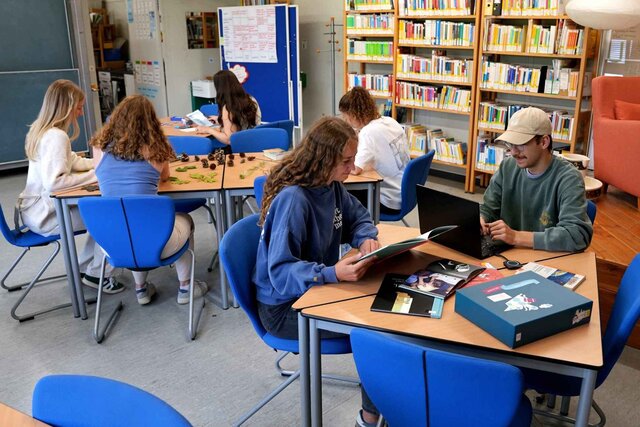
The
The centre offers additional qualifications for students and interested parties, such as "Intercultural Learning Support", "Migration and Diversity", "Democracy Education", "Lay Helpers for Intercultural Parent and Family Support"
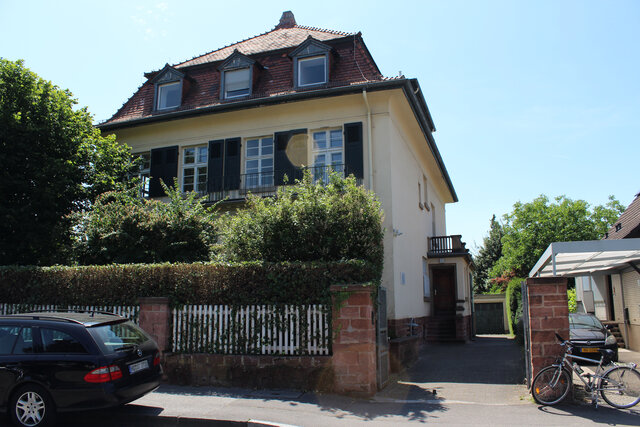
The Lernwerkstatt Inklusion (LWI) at Heidelberg University of Education combines the areas of university didactics, school practice and research. For students, it represents the bridge between the theory and practice of inclusive teaching and sees itself as a university didactic format that offers students opportunities to work individually on professionalisation development tasks and to build and develop skills for inclusive teaching. At the same time, the LWI is a place for practice-oriented research, focussing on methodological and media-based differentiation.
To the Inclusion Learning Workshop website
The Research Methods Service Centre is a research-related service facility at Heidelberg University of Applied Sciences that is open to all academics. It provides advice on the methodological conception, application and implementation of research projects and represents the methodological spectrum of qualitative and quantitative data collection and analysis procedures. In addition, the Research Methods Service Centre offers both broad and in-depth research methodological advice for students, which can be taken advantage of during their studies.
To the page Research Methods Service Centre
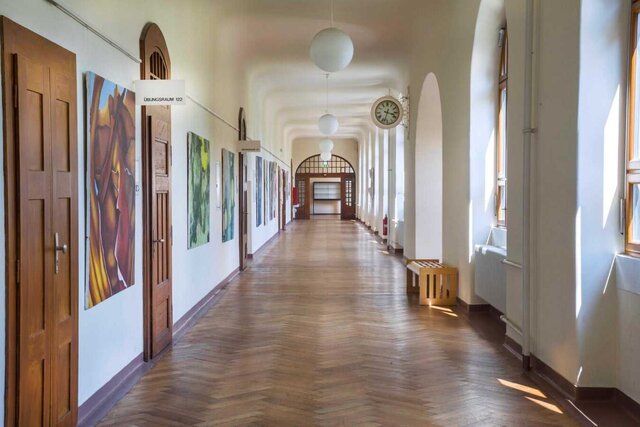

The