Studying politics to become a teacher: How does democracy work? Why is participation important? And what role does school play in an open society? Through political science and its teaching methods, you’ll bring political education into the classroom – in a way that’s age-appropriate, relevant to real life and thought-provoking.
In primary school, political science forms part of the
A curiosity about social issues, a love of discussion and a willingness to take children’s perspectives seriously – these are key foundations for this subject. If you enjoy asking questions, exploring the bigger picture and want to encourage children to have their say and get involved, then this is the right place for you.
In lower secondary education, young people are increasingly confronted with social, political and economic issues – in their everyday lives, in the media and within the school environment. Civic education provides them with the knowledge they need to understand how things are connected, to develop their own views and to get involved in democratic processes. It fosters critical thinking, the ability to make judgements and a sense of responsibility.
Are you interested in political, social and economic issues? Do you enjoy debating, listening to different perspectives and questioning things critically? If you want to empower young people to think for themselves and find their place in society, you have exactly the right qualities for this subject.
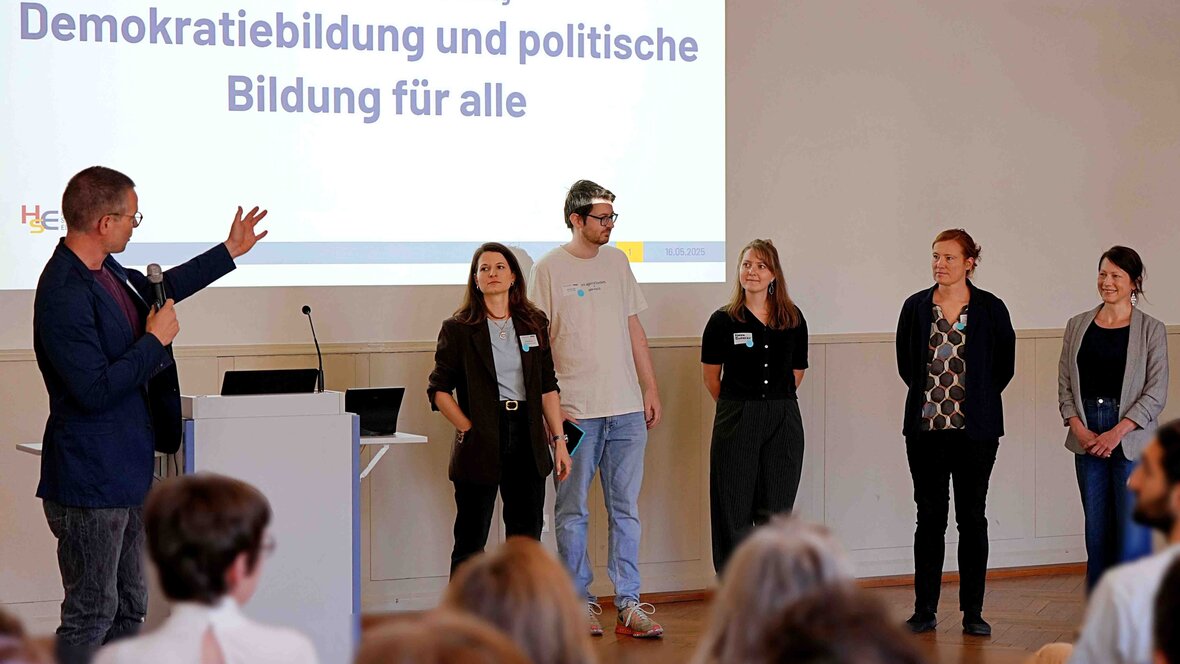
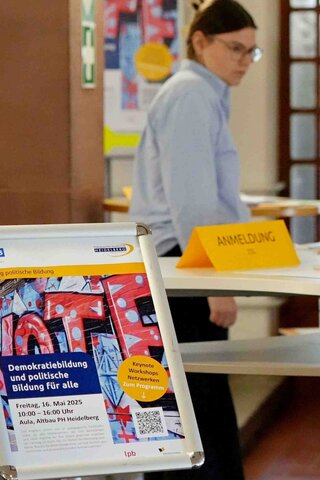
Civic education strengthens the social participation of all learners. It enables children and young people with special educational needs to learn about their rights, find their bearings in their environment and see themselves as active members of society. Civic education fosters a sense of self-efficacy, supports the acquisition of practical life skills and promotes democratic coexistence – regardless of individual circumstances.
You are interested in social issues and approach others with empathy and openness. If you enjoy explaining things, are committed to equal rights for all people, and are keen to make complex topics accessible to learners with different levels of prior knowledge, you have what it takes for this subject.
You will be working on inclusive political education and developing materials for diverse learning groups. In practice-oriented seminars, you will explore how political education can be made diverse and accessible – with a focus on participation, differentiation and teaching tailored to the target audience.