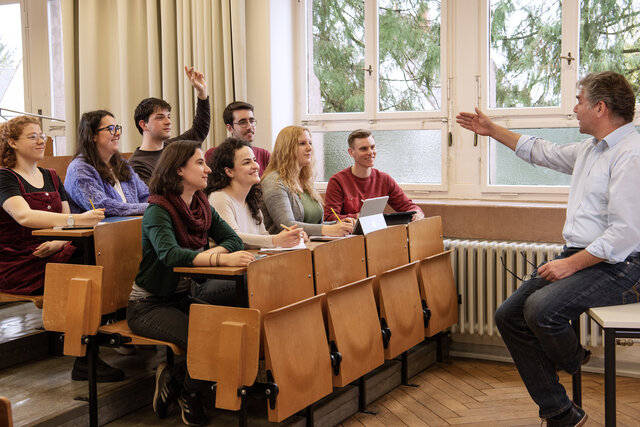
In the Geography programme, you will explore current issues relating to climate, sustainability, urban development, globalisation and social change. You will learn to understand the complex interrelationships between people, the environment and space – and to communicate these in a clear and realistic way. As part of your teacher training in Geography, you will combine theoretical knowledge with practical approaches such as fieldwork, laboratory work and working with maps and models.
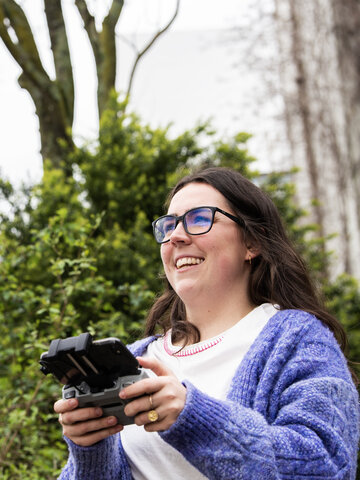
Are you interested in nature and society – from climate change and urban development to global inequalities? If so, you already have many of the qualities you’ll need to study Geography. A curiosity about the world, a love of observing, analysing and explaining, and a willingness to tackle fascinating questions both in the field and in the lab or classroom are particularly important.
Good spatial awareness, critical thinking and an interest in various academic disciplines are also helpful, as Geography brings together perspectives from the natural, social and economic sciences.
In the Geography module for primary schools, you will learn how to use experiments and models effectively to make complex topics clear and accessible to children. You will encourage children’s curiosity, introduce them to scientific thinking and help convey abstract concepts in a way that is appropriate for children.
During the laboratory placement, you will explore, amongst other things, the topic of ‘Experiments – Experimenting’, which also provides practical ideas for primary school teaching. The course is complemented by field trips both at home and abroad, during which you can experience and reflect on geographical processes first-hand.
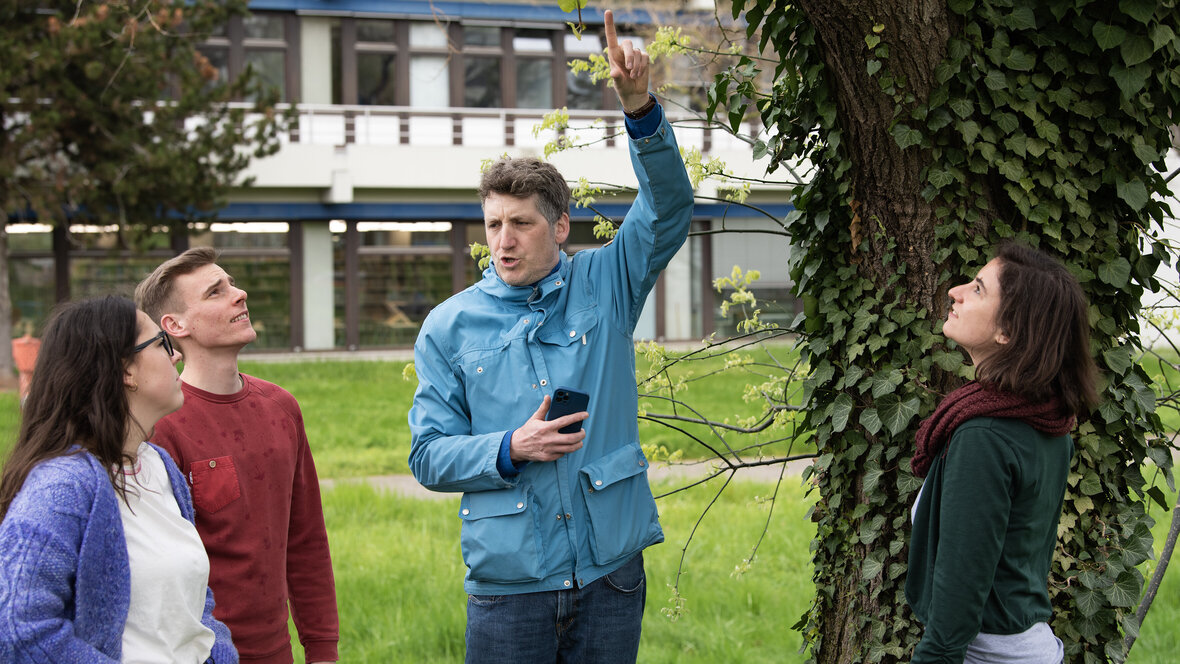
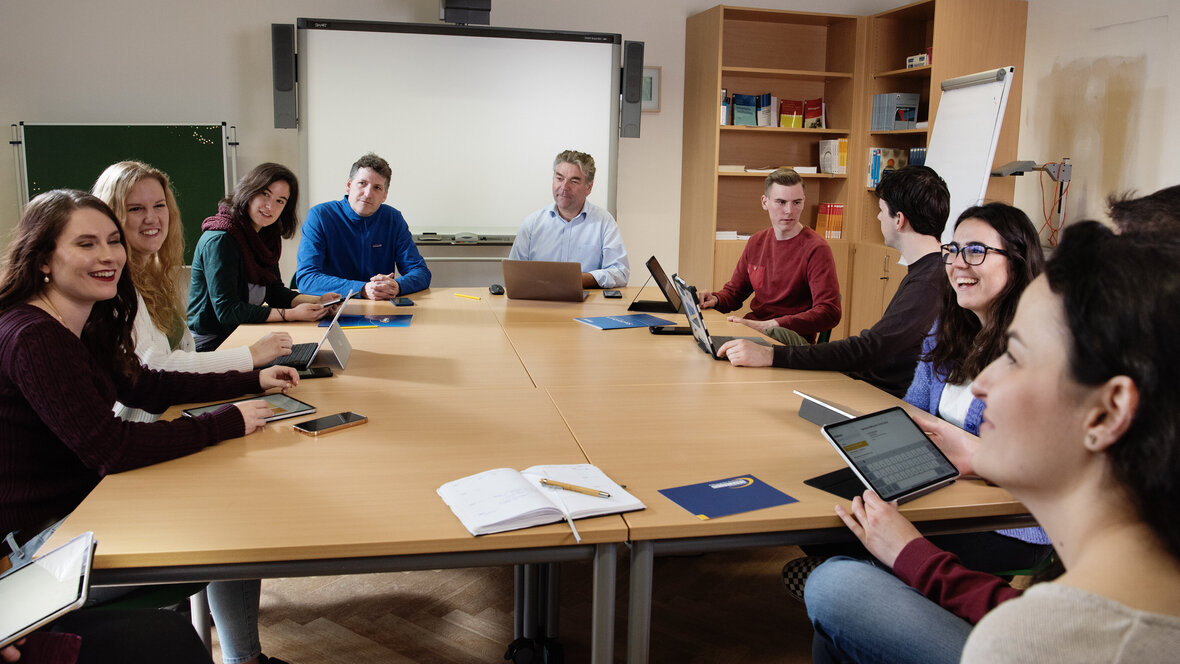
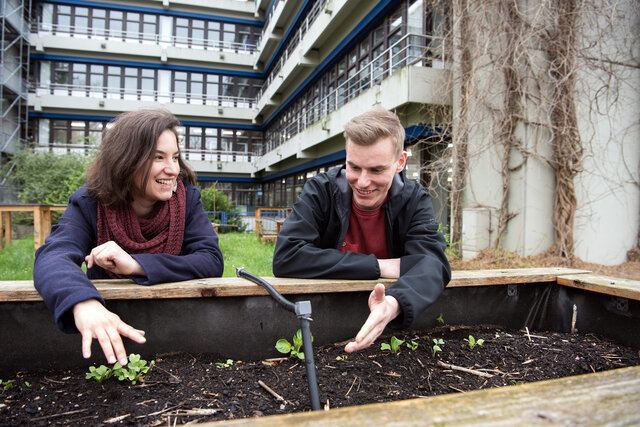
In lower secondary school, geography makes an important contribution to general knowledge: pupils explore key and highly topical issues such as climate (change), sustainability and spatial planning, and learn to understand social and environmental interrelationships. The subject of Geography helps them to critically examine their own world and play a responsible part in shaping it.
Are you keen to explore natural and cultural environments, and do you have a curiosity and interest in current social and environmental issues? Then Geography is the perfect subject for you.
Analytical thinking and a willingness to get to the bottom of complex interrelationships will help you gain a thorough understanding of the subject during your degree. And on a practical note: a good pair of shoes won’t go amiss either – because numerous excursions and field trips are simply part and parcel of the course.
On the Geography degree programme, you’ll combine in-depth specialist knowledge with practical learning formats: in laboratory practicals and teaching methodology seminars, you’ll work with models and experiments to gain a better understanding of complex systems. In doing so, you’ll learn to communicate geographical concepts clearly and thoughtfully.
A particular highlight is the field trips both at home and abroad: you’ll experience geographical processes first-hand, thereby honing your observational and analytical skills. The fieldwork placement also enables you to engage in research-based and project-oriented work – providing a strong foundation for your future teaching.
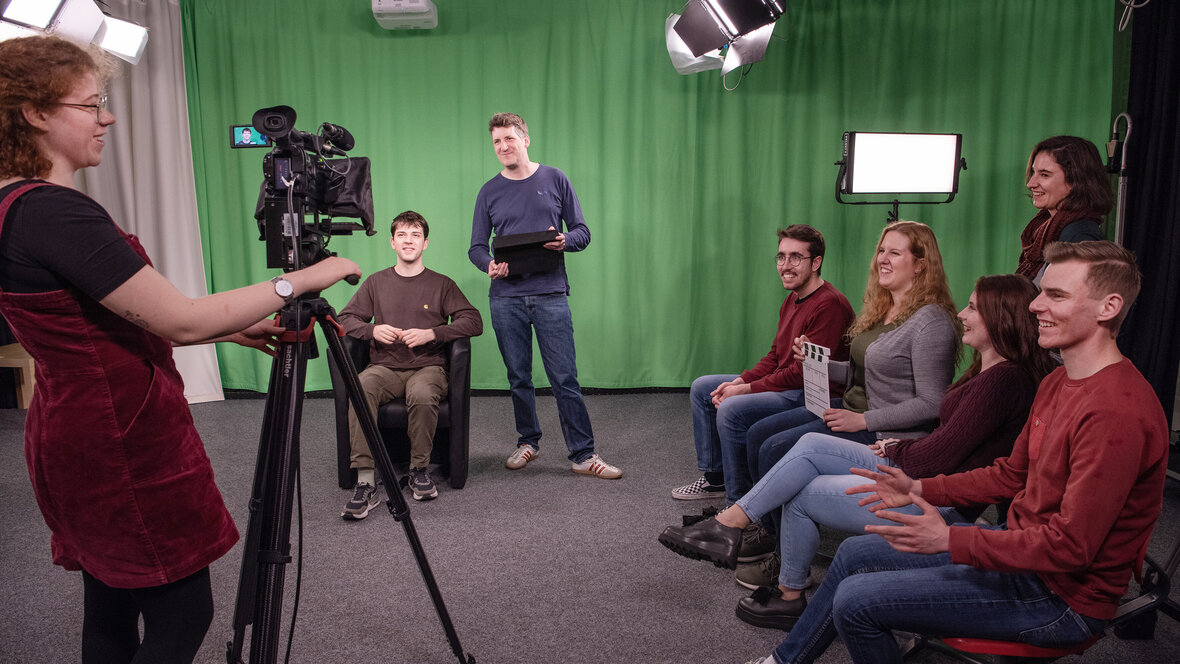
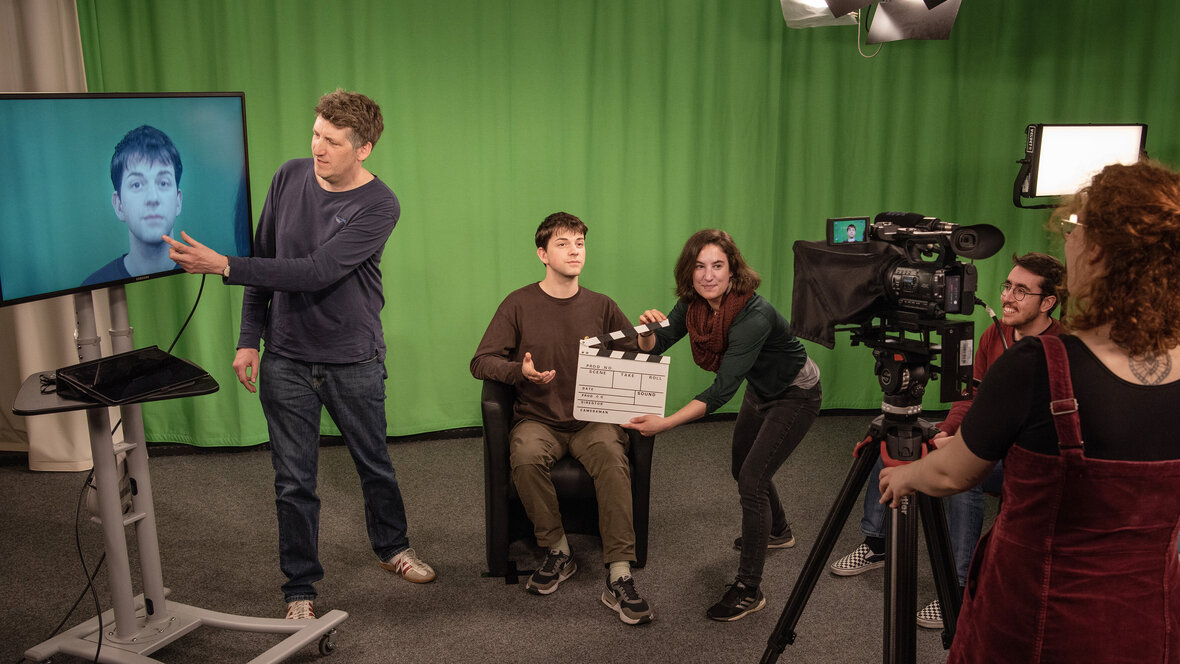
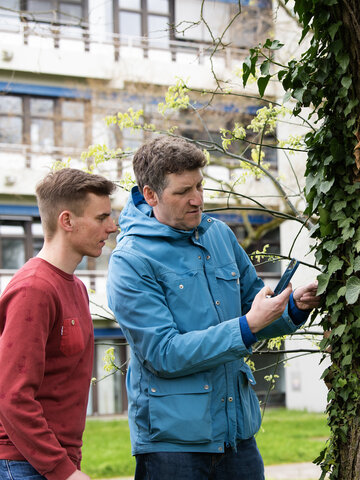
In the context of special educational needs, geography offers a wide range of opportunities to make real-life and meaningful topics accessible to children and young people with different learning needs. Through activity-based approaches, visual aids and a strong focus on the local environment, both an understanding of everyday life and environmental awareness are fostered.
Are you interested in the interrelationships between nature and society, and do you enjoy explaining these in a clear and relatable way? If so, you’ve already got a lot to offer the subject of Geography in special educational needs.
It’s also important to be open to different ways of learning, to be patient, and to be willing to present even complex topics in a practical and nuanced way. A good pair of shoes won’t go amiss either – as numerous excursions and field trips are simply part and parcel of the role.
In the Geography for Special Educational Needs module, you can look forward to a practical exploration of experiments and models. These offer a wide range of opportunities for individualised support: you’ll facilitate action-oriented learning, support different learning styles (visual, kinesthetic, linguistic) and create a sense of achievement that promotes motivation and participation.
In laboratory practicals and subject-specific teaching methodology modules, you will engage specifically with these methods. During the fieldwork placement, you will adopt a research-based approach and explore geographical issues directly on site. Field trips both at home and abroad round off this practical learning and bring geographical relationships to life.