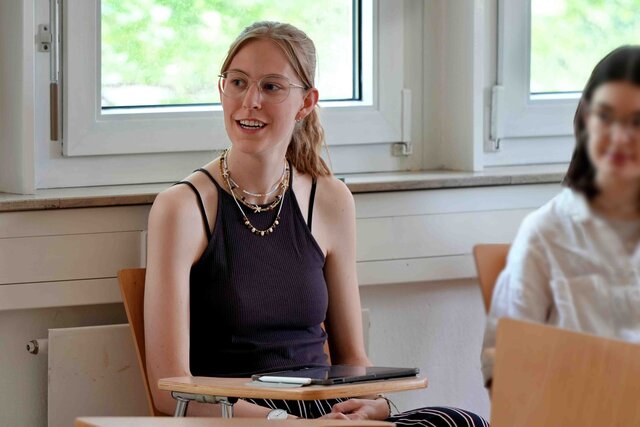
In the subject of Protestant Theology, you will explore fundamental questions of meaning, justice, community and faith – with a focus on biblical traditions, the history of Christianity and current social developments. You will learn how to convey religious content in a way that is age-appropriate and relevant to real life. This involves not only specialist knowledge but also the ability to present religious topics in a way that is age-appropriate, sensitive and relevant to real life. The aim is to support children and young people in a diverse world, to encourage them to reflect and to provide them with guidance.
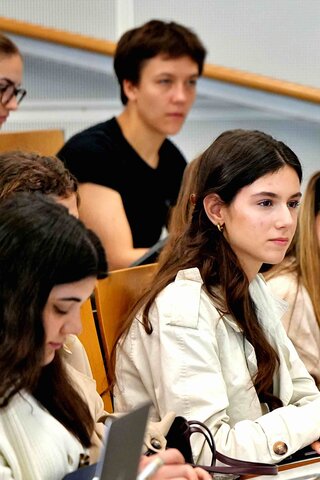
In primary school, the aim is to provide children with the space to explore questions of meaning, values and guidance. Protestant religious education offers the opportunity to explore key themes of the Christian faith in a way that is appropriate for children – whilst fostering openness, reflection and tolerance. Teachers guide children as they develop their own initial approaches to faith and to the religious diversity of our society. This is a responsible and rewarding task.
A love of reflecting on the big questions, a curiosity about the history and present-day reality of Christianity, and a willingness to engage with your own perspectives. Anyone wishing to support children in religious education needs to be open-minded, capable of self-reflection, and keen to convey theological topics in a way that is appropriate and understandable for children.
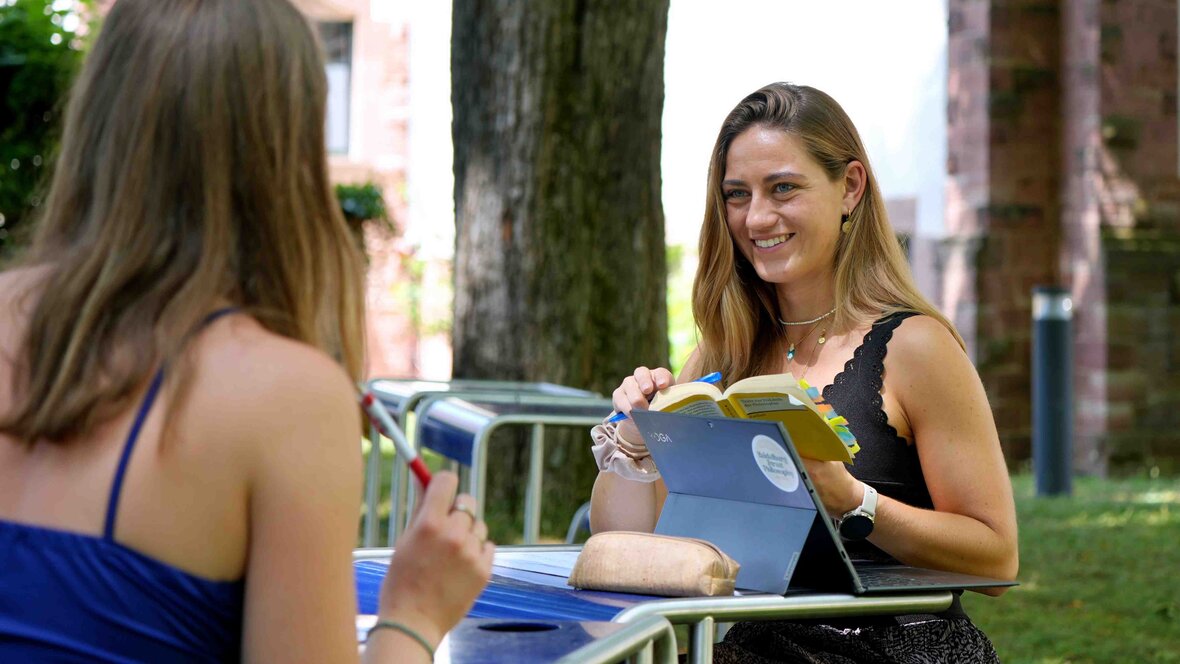
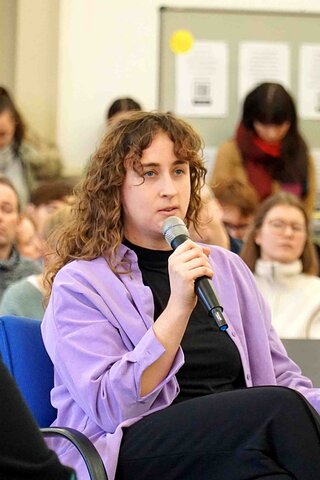
In lower secondary school, young people grapple with questions of identity, justice, responsibility and the meaning of life. Protestant religious education provides a space to reflect on these topics in the light of the Christian faith and to explore them through dialogue with other worldviews. Guiding pupils on their journey of faith in an increasingly pluralistic society is a task that is as challenging as it is enriching.
Studying Protestant Theology to become a teacher means: an interest in questions of meaning and values, a willingness to engage deeply with the history, present-day reality and diversity of Christianity, and an openness to dialogue with other perspectives. You should enjoy engaging with young people in discussions about faith, doubt and social responsibility – whilst also further developing your own theological thinking.


Children and young people ask fundamental questions about meaning, community, justice and faith. Protestant religious education opens up avenues for them to explore these topics – often through vivid, creative and experience-based approaches. Accompanying pupils on their journey of faith in an increasingly pluralistic society means recognising their individual needs, offering encouragement and providing reliable guidance.
A passion for reflecting on questions of meaning and faith, a willingness to engage deeply with the history, present-day reality and diversity of Christianity, and an openness to dialogue with other perspectives. It is also important to have a feel for how religious topics can be explored in a personalised and practical way – tailored to the different learning needs of your future pupils.