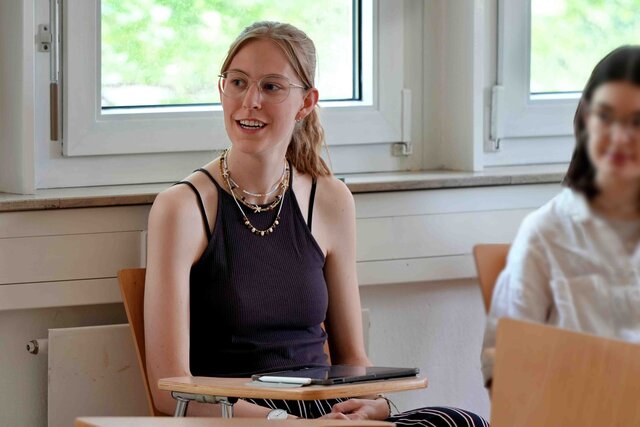
Faith, values and the ‘big questions’ of life are part of everyday school life in many different ways. When studying Catholic Theology to become a teacher, the aim is to address such topics in an age-appropriate and respectful manner, whilst engaging in dialogue with pupils. In doing so, links are made to everyday life and different perspectives are taken into account. In this way, you help children and young people to find their bearings and develop an awareness of religious issues.
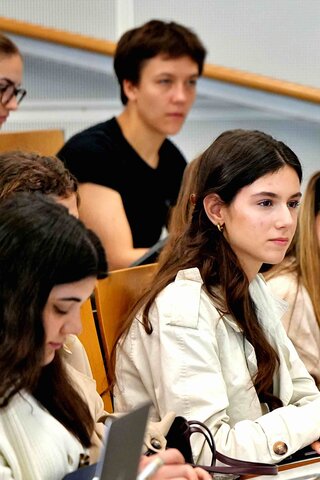
Catholic theology in primary school makes an important contribution to general education and helps children to ask fundamental questions about identity, living together and the meaning of life. Religious education fosters personal development through engagement with faith and creates opportunities for interfaith dialogue. In the process, pupils acquire background knowledge and specialist understanding that can provide them with guidance in a diverse world.
As well as the practical school placements, you can also get involved in exciting projects – such as the interfaith exchange programme ‘Sharing Worldviews’. There is also the opportunity to take part in a variety of research projects. This allows you to combine theoretical knowledge with practical experience.
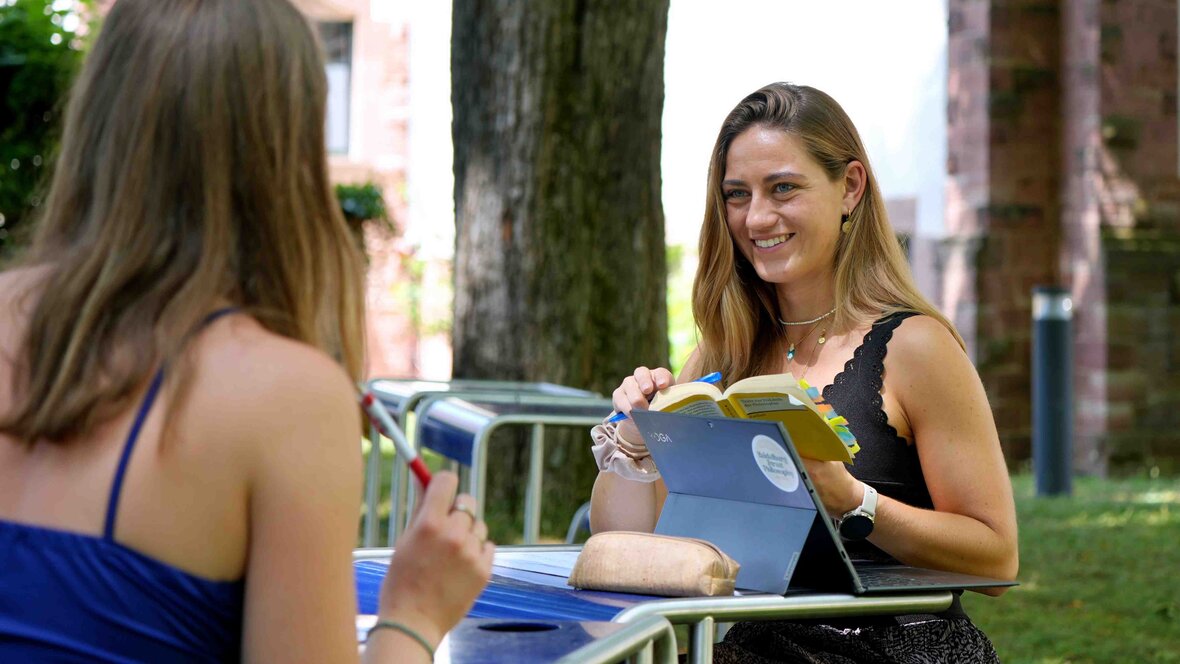
Catholic religious education in lower secondary school promotes general knowledge and encourages pupils to engage with the pressing issues of our time. Young people explore the Christian faith, other religions and ideological perspectives – and in doing so gain background knowledge and specialist understanding. The lessons support them in their personal development and provide a space for guidance.
As well as the practical school placements, the subject offers numerous opportunities to put your knowledge into practice: for example, through the interfaith exchange programme ‘Sharing Worldviews’. Taking part in a variety of research projects also provides you with fascinating insights and experiences.
If you wish to study Catholic Theology to become a teacher, there are many ways in which you can put your knowledge into practice – for example, through the interfaith exchange programme ‘Sharing Worldviews’. The focus here is always on how religious topics can be taught in an inclusive and accessible way. You’ll also have the opportunity to take part in a range of research projects.